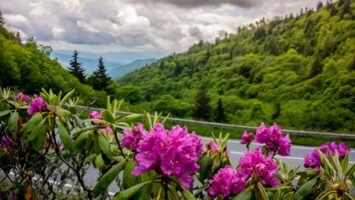
Smoky Mountain wildflowers bring color to the forests, mountain trails, and open meadows of Great Smoky Mountains National Park. With more than 1,500 species of flowering plants, the park is known for its incredible variety of native flowers, including trilliums, rhododendrons, violets, and orchids.
When Do Smoky Mountain Wildflowers Bloom?
Wildflower season begins in early spring at lower elevations and continues through summer and fall in different parts of the park.
-
March–May: Spring beauty, trillium, bloodroot, trout lily, Dutchman’s breeches, and jack-in-the-pulpit
-
April–July: Rhododendron, mountain laurel, flame azalea, fire pink, columbine, and lady’s slipper orchids
-
July–October: Bee balm, cardinal flower, jewelweed, yellow-fringed orchids, and blue gentian
Blooming periods vary depending on elevation, rainfall, and seasonal temperatures.
Popular Smoky Mountain Wildflowers
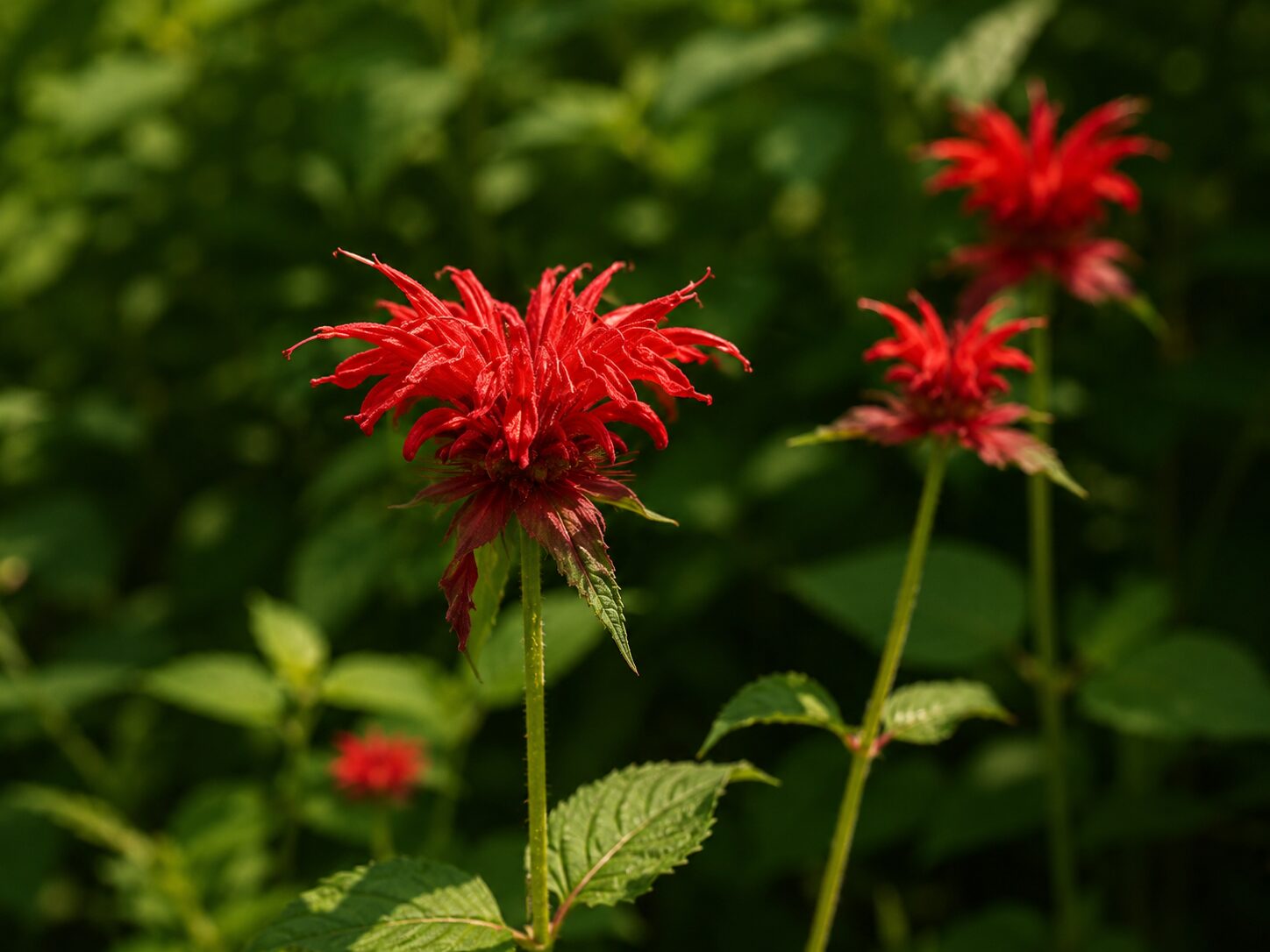
Bee Balm
Bee balm produces clusters of bright red flowers that attract hummingbirds and other pollinators. It grows in moist mountain environments, often at higher elevations.
Blooming Season: Summer Where to Look: Chimney Tops area and moist mountain slopes
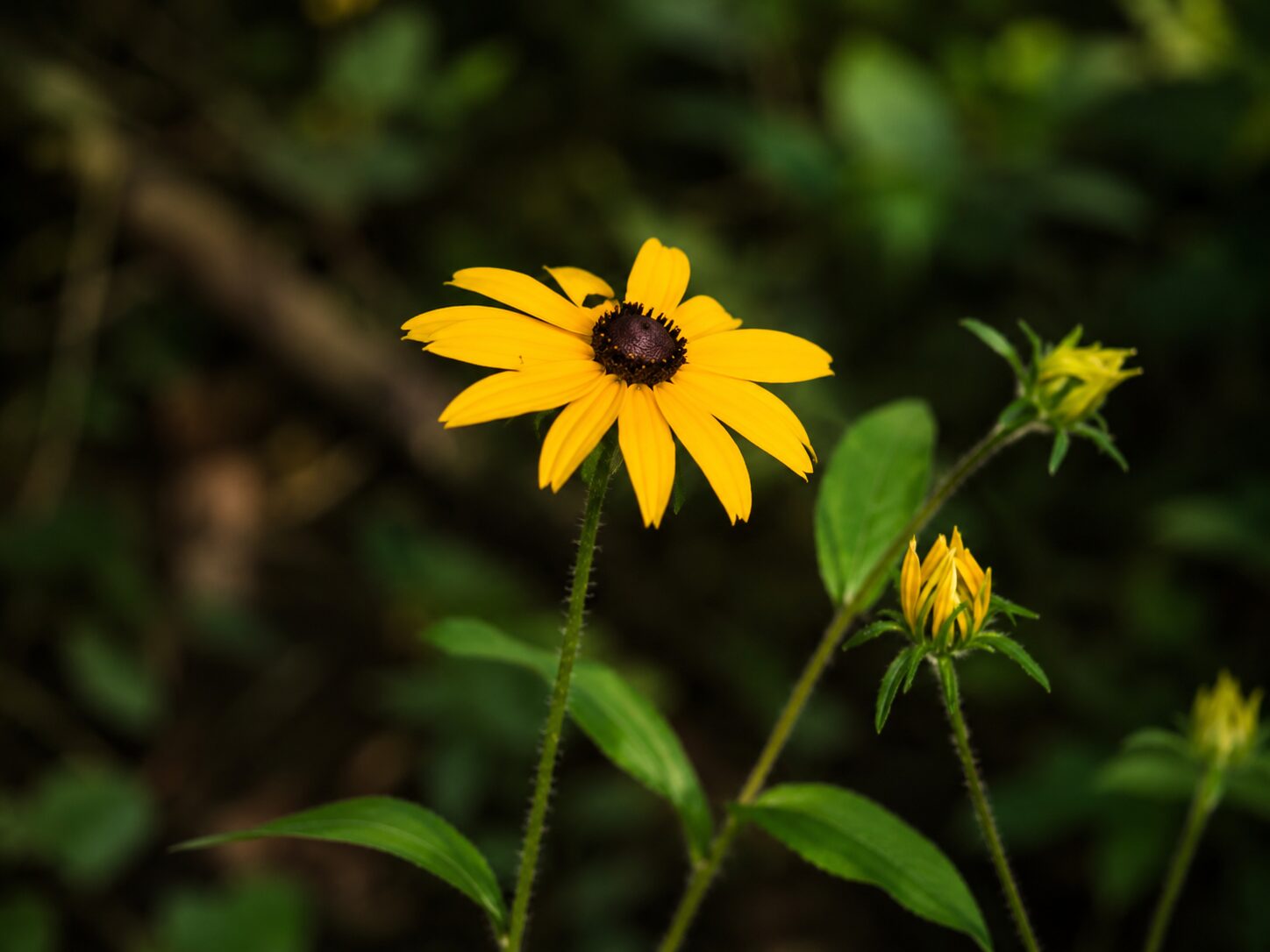
Black-Eyed Susan
Black-eyed Susans are easily recognized by their bright yellow petals and dark brown centers. These flowers grow in open fields, meadows, and along roadsides.
Blooming Season: May–August Where to Look: Cades Cove and open meadows
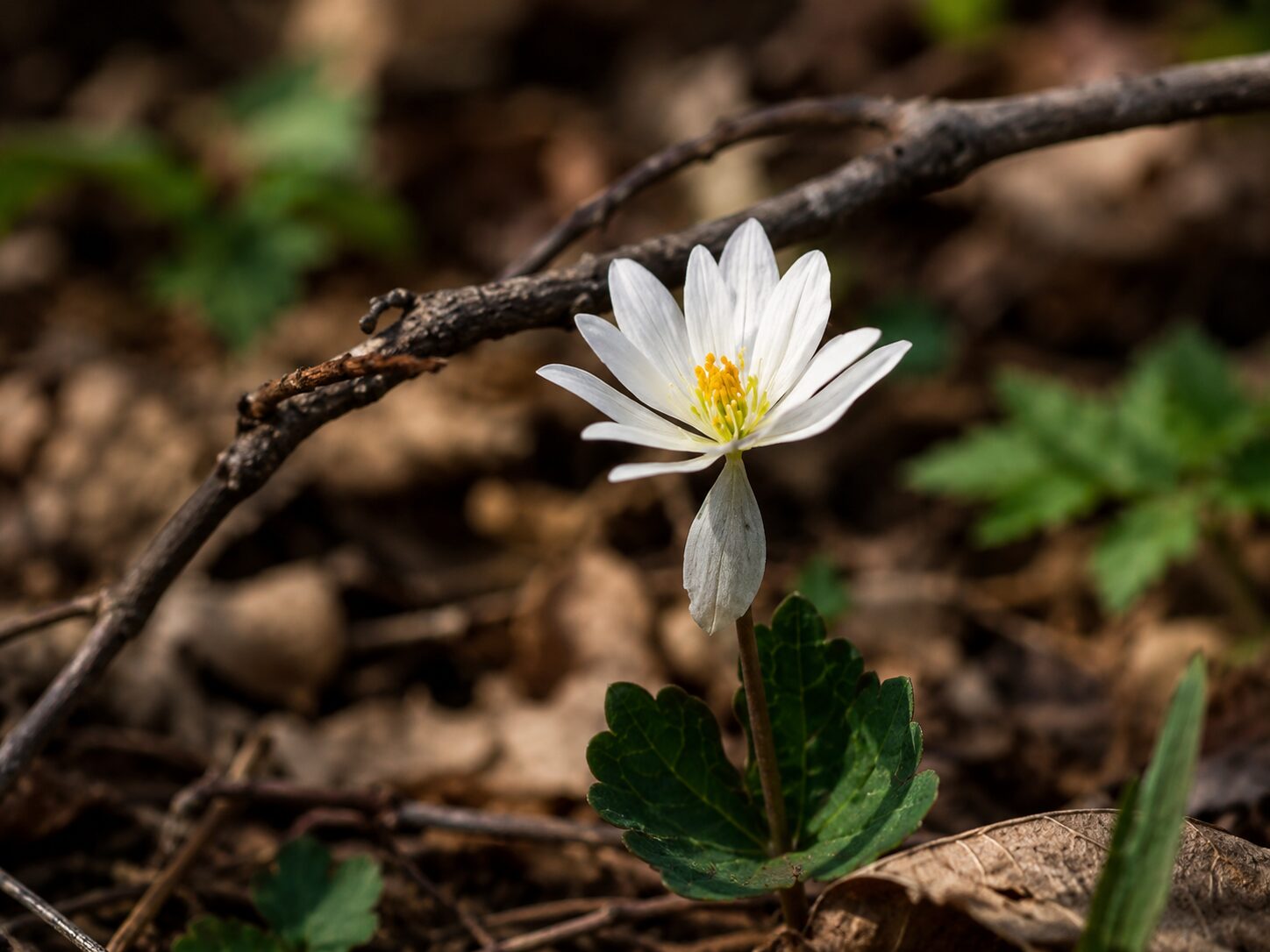
Bloodroot
One of the earliest spring wildflowers, bloodroot produces delicate white flowers that often appear before the surrounding trees develop their leaves. The blooms are short-lived, making early spring the best time to see them.
Blooming Season: March–April Where to Look: Porters Creek Trail, Chestnut Top Trail, and Schoolhouse Gap Trail
Butterfly Weed
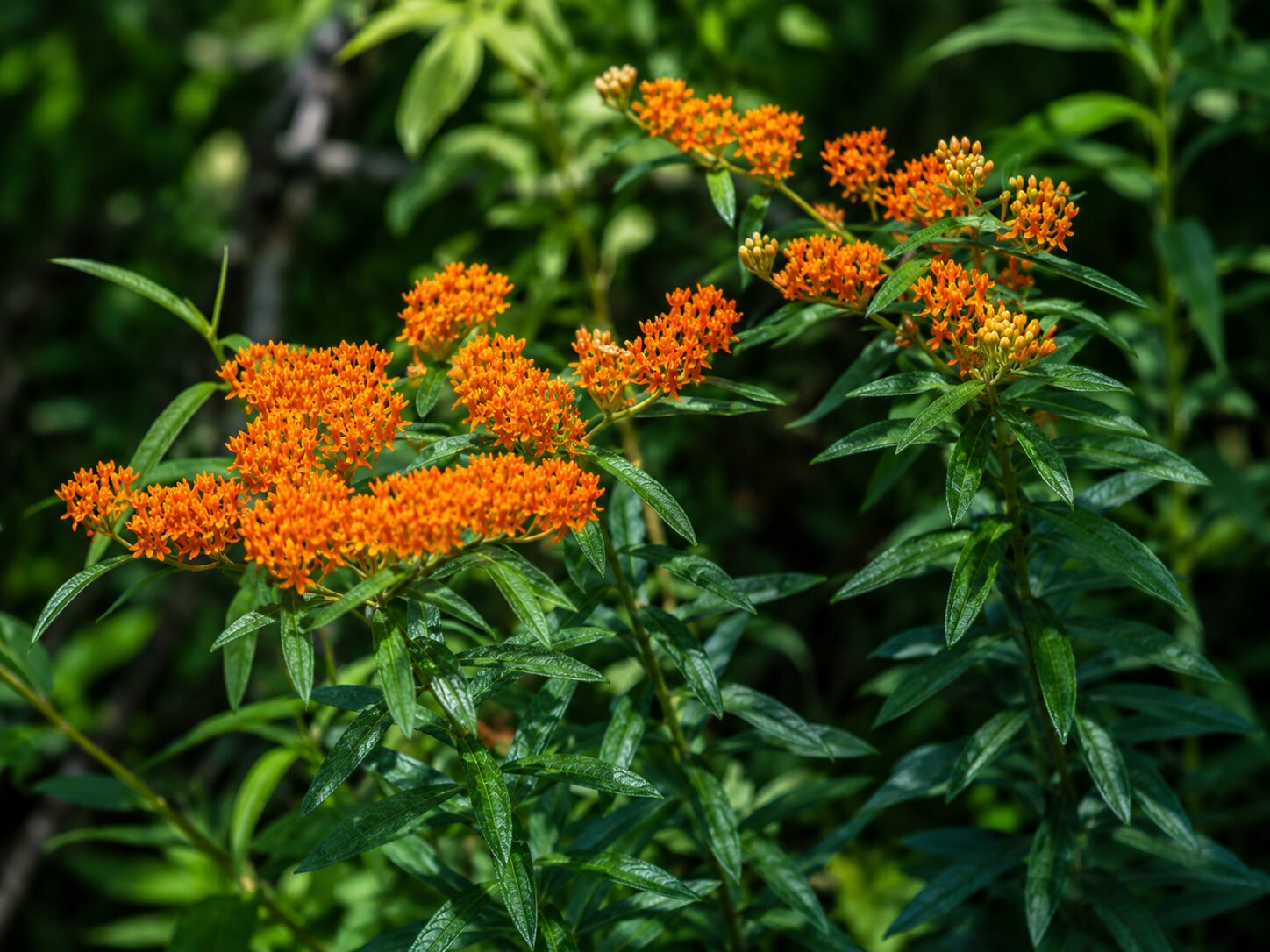
Butterfly weed is a type of milkweed known for its clusters of bright orange flowers. It grows in sunny, open areas and attracts butterflies throughout the warmer months.
Blooming Season: June–September Where to Look: Cades Cove and sunny roadsides
Catawba Rhododendron
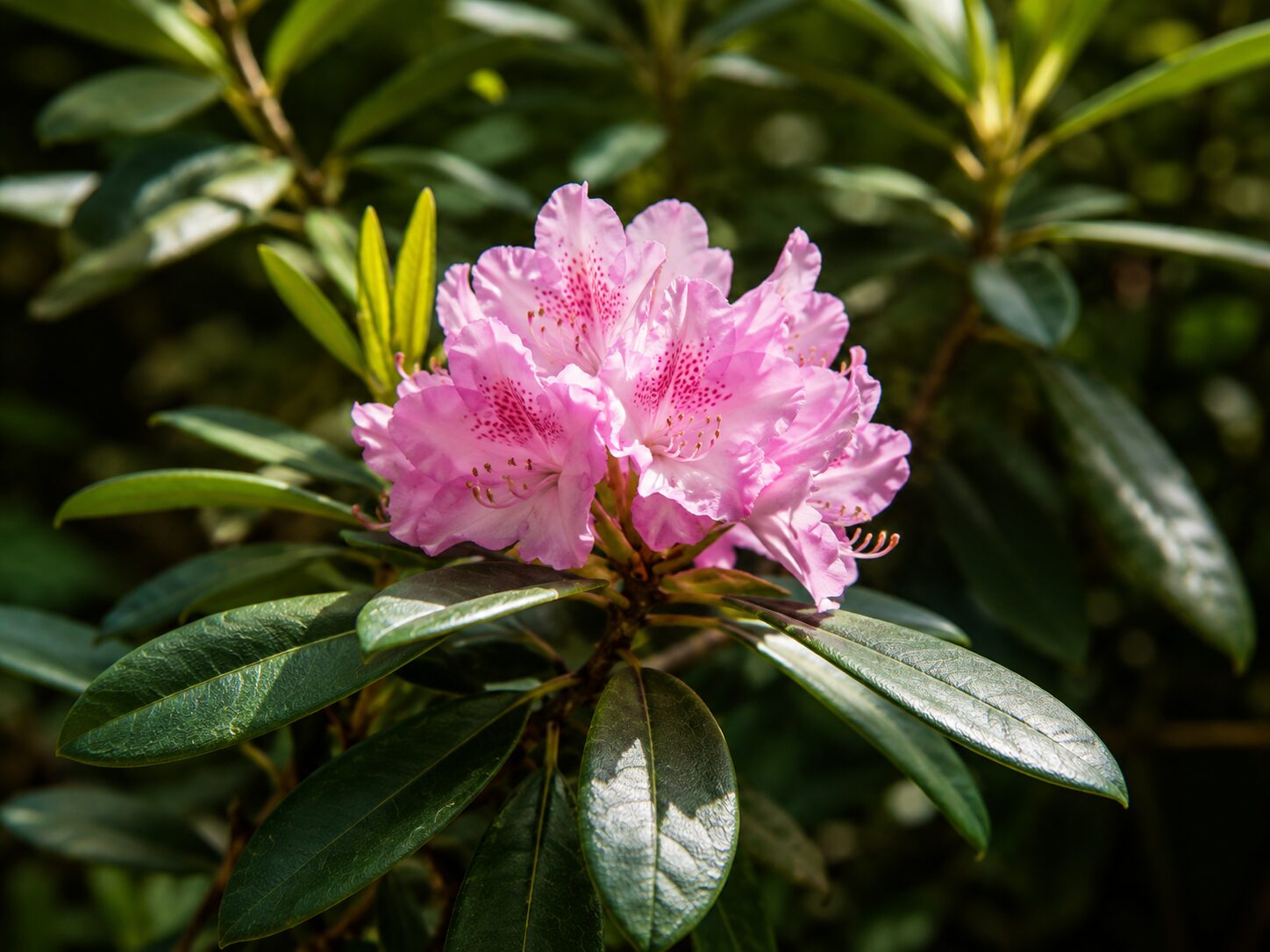
Catawba rhododendron is one of the most recognizable flowering shrubs in the Smoky Mountains. Its large clusters of purple-pink flowers brighten mountain ridges and higher elevations during late spring and early summer.
Blooming Season: May–July Where to Look: Higher elevations and exposed mountain ridges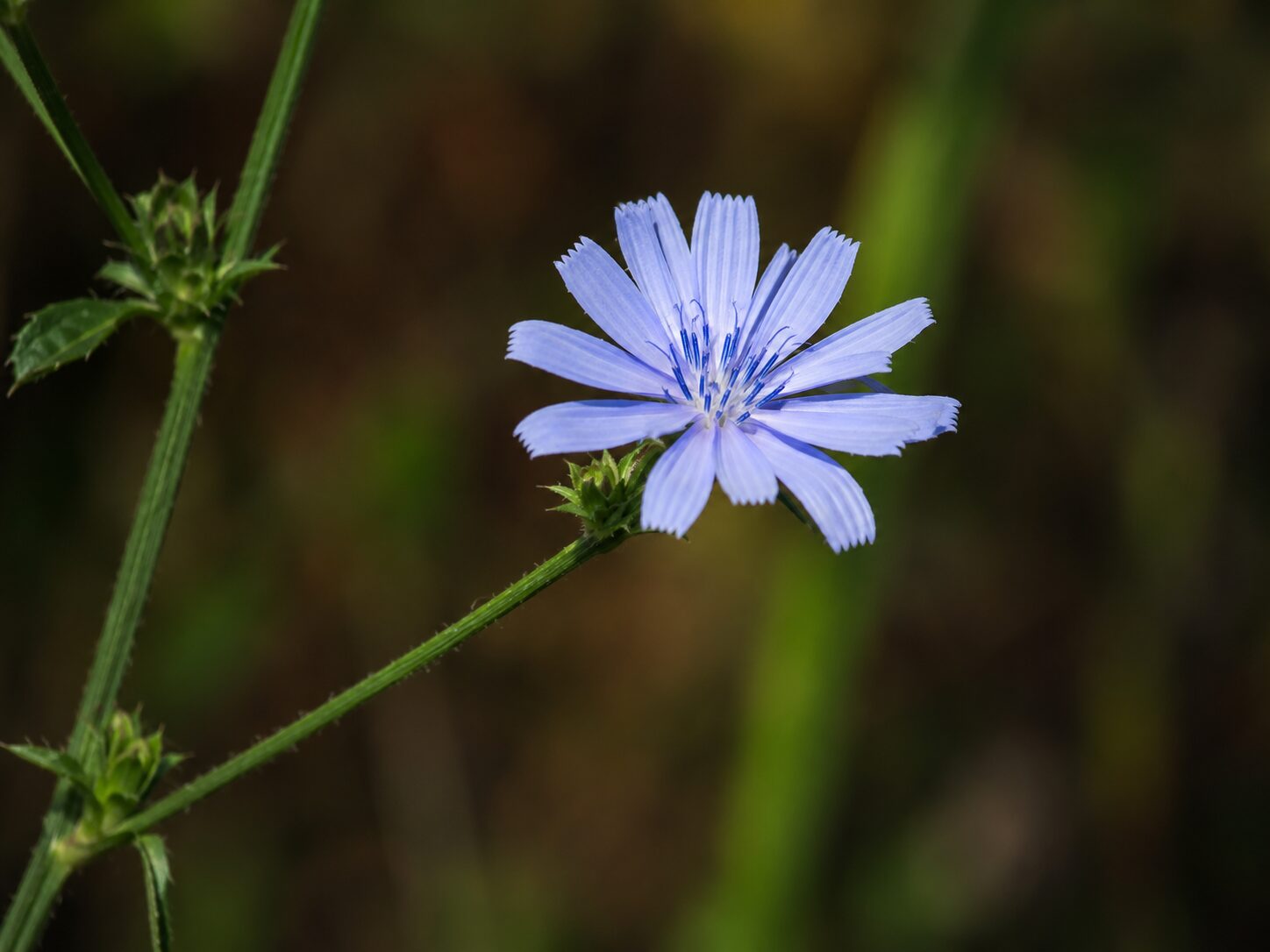
Chicory
Chicory produces light blue flowers that are commonly seen along roadsides and open areas. The flowers typically open in the morning and may close later in the day.
Blooming Season: Summer–Early Fall. Where to Look: Lower-elevation roadsides
Columbine
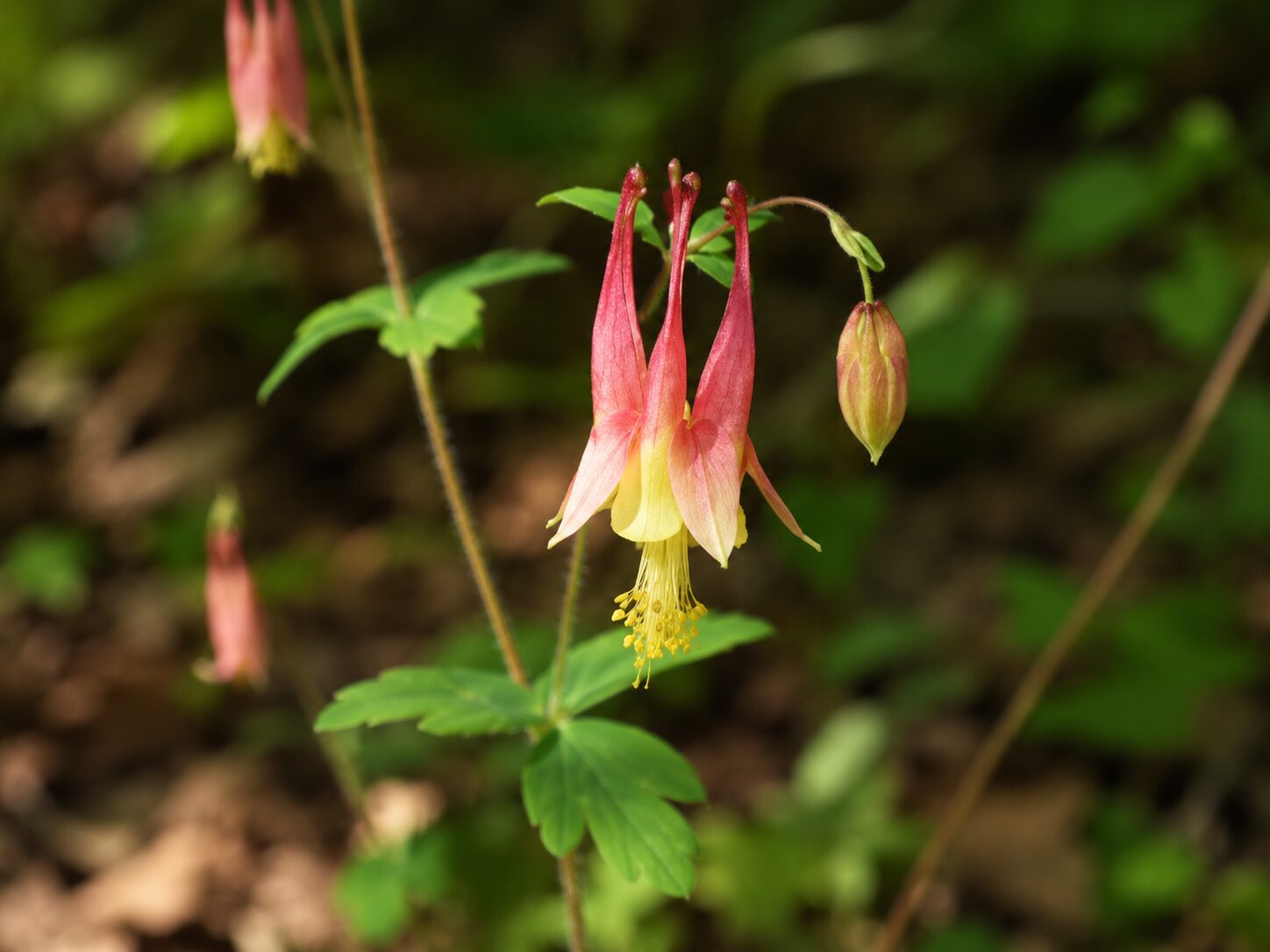
Wild columbine features distinctive red and yellow flowers with backward-pointing spurs. It grows in rocky areas and along wooded slopes, adding color to the forest during spring.
Blooming Season: April–June Where to Look: Little River Gorge and the Bud Ogle area
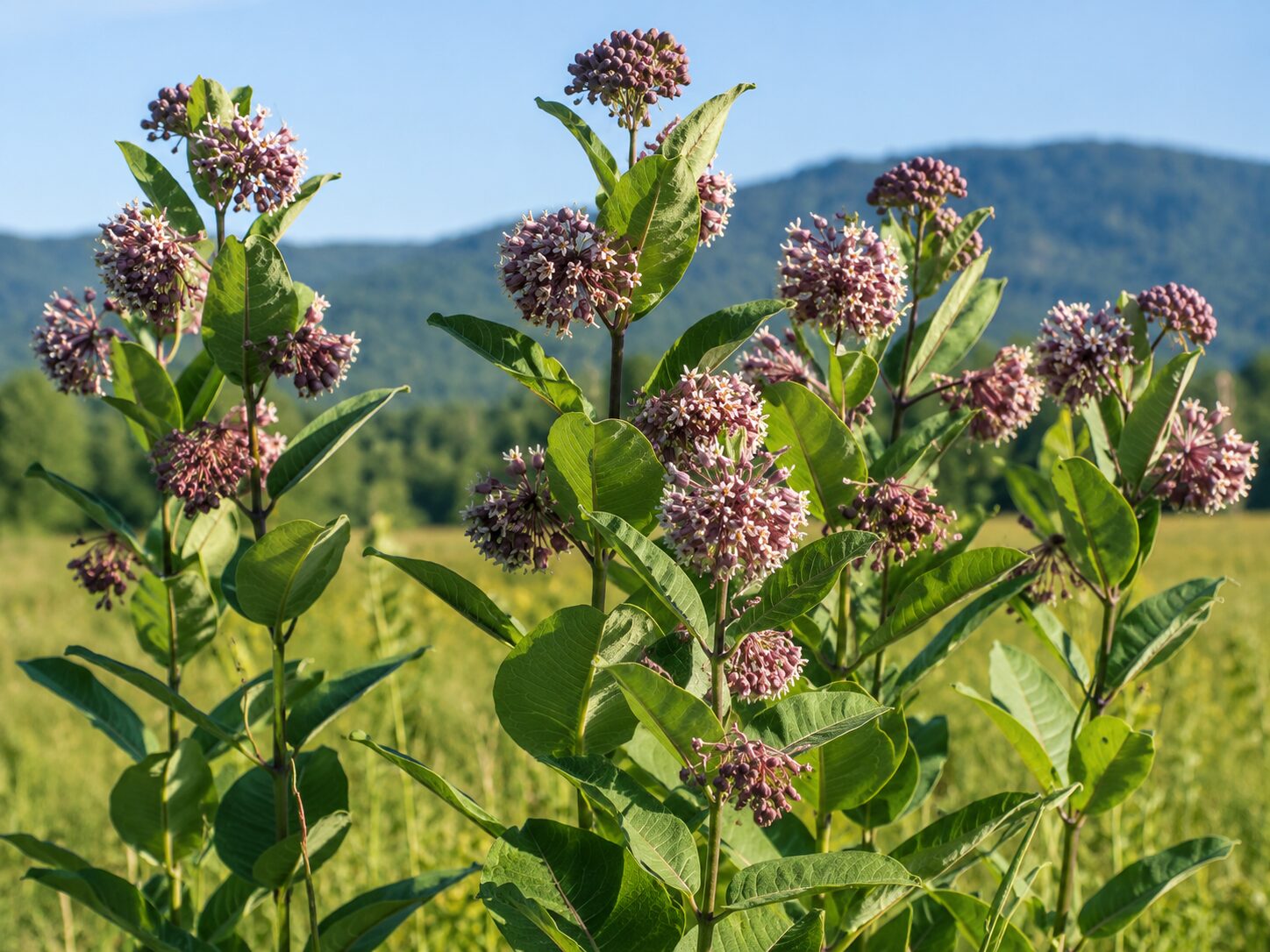
Common Milkweed
Common milkweed produces rounded clusters of small pinkish-purple flowers. It is an important plant for monarch butterflies, providing food for caterpillars and nectar for pollinators.
Blooming Season: June–August Where to Look: Cades Cove and open fields
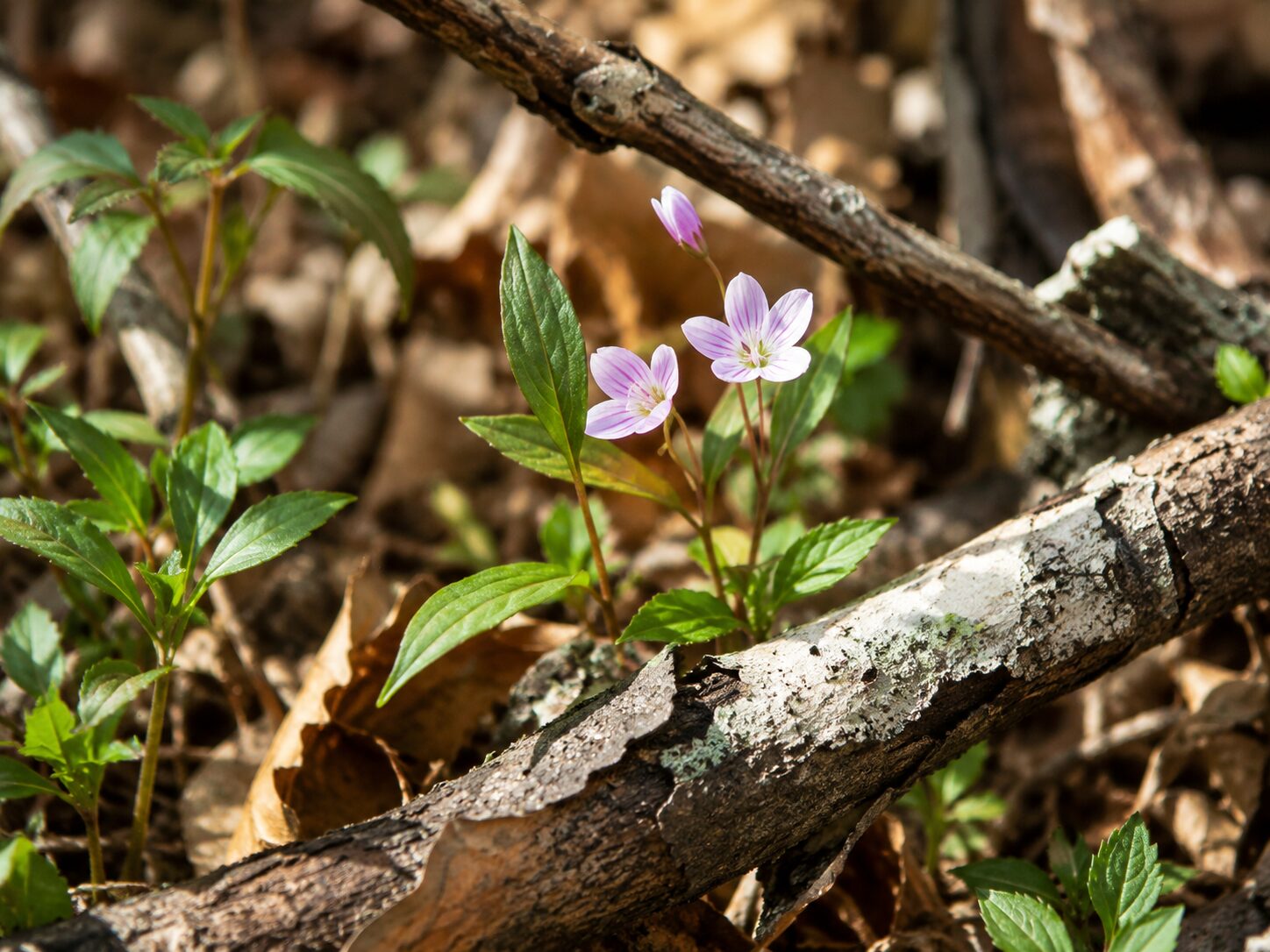
Common Wood Sorrel
Common wood sorrel has three heart-shaped leaflets that resemble clover. Its small white flowers feature delicate pink veins and grow in cool, shaded forest environments.
Blooming Season: May–July Where to Look: Moist forests and higher elevations
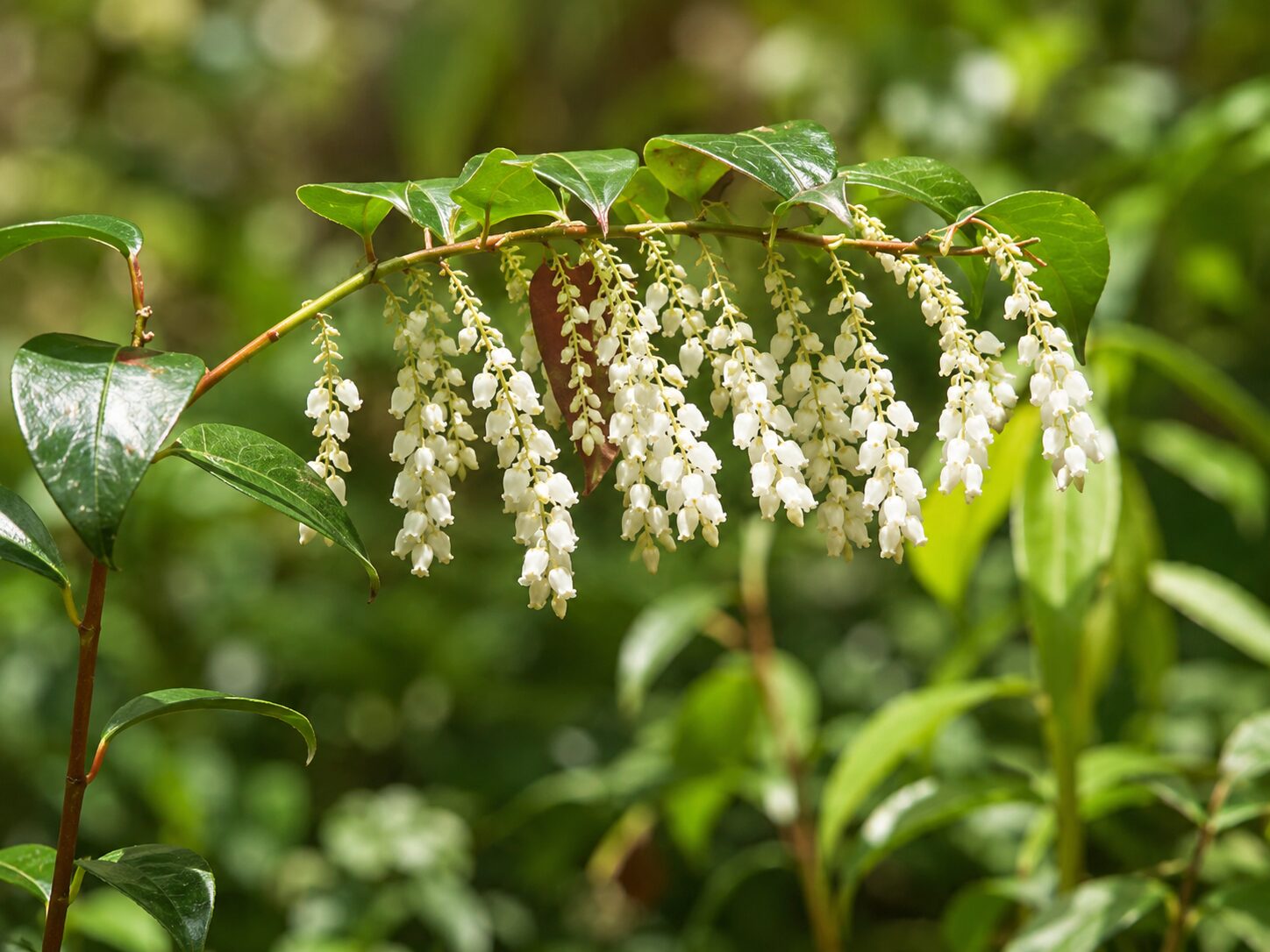
Doghobble
Doghobble is a flowering shrub that grows along streams and in damp, shaded forests. Its arching branches produce clusters of small white flowers during spring.
Blooming Season: May–June Where to Look: Schoolhouse Gap Trail, Cosby Nature Trail, and Roaring Fork
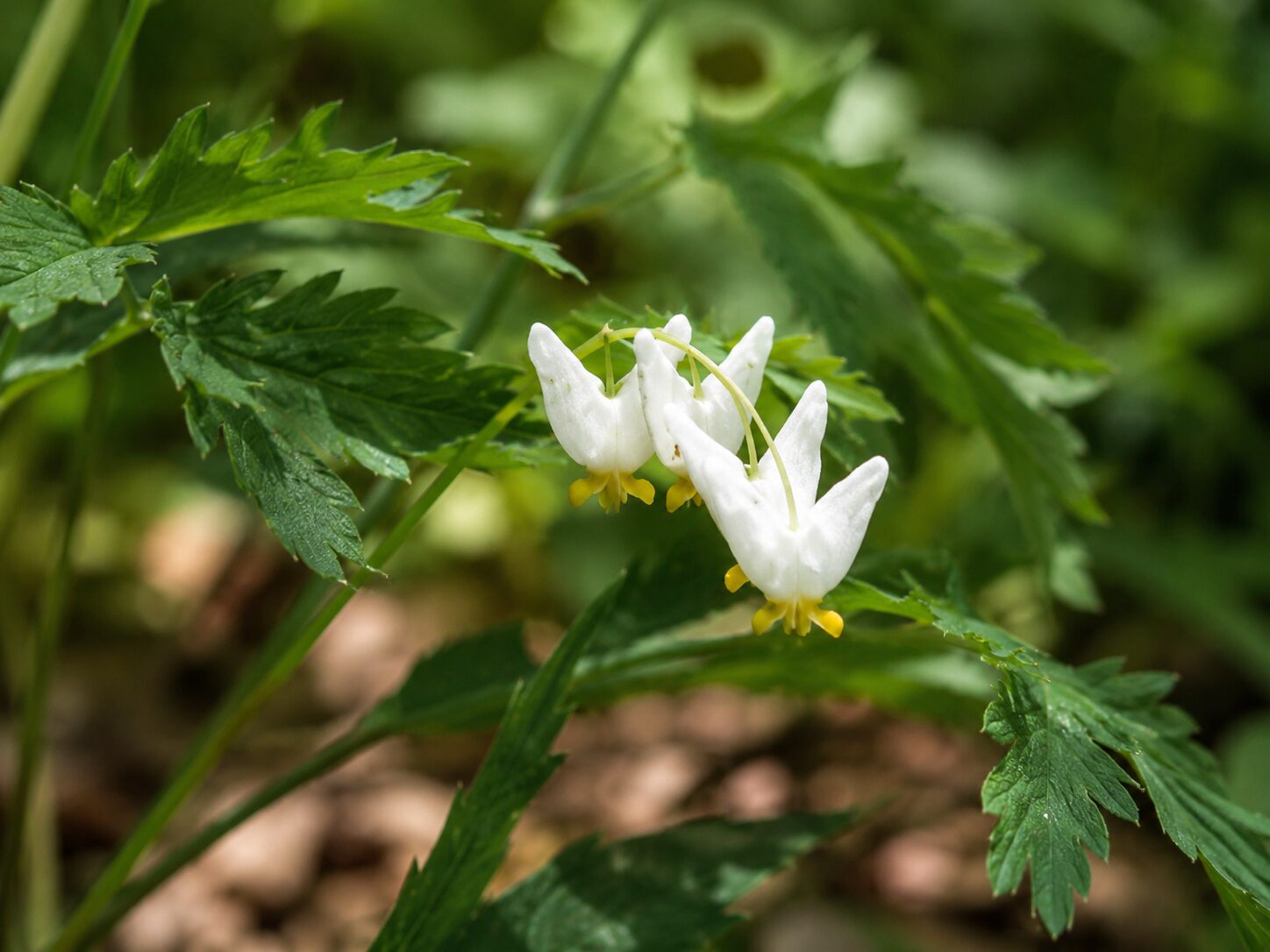
Dutchman’s Breeches
Dutchman’s breeches is named for its unusual white flowers, which resemble tiny pairs of pants hanging upside down. This early spring wildflower grows in rich, wooded areas.
Blooming Season: April–May Where to Look: Porters Creek Trail and Cove Hardwood Nature Trail
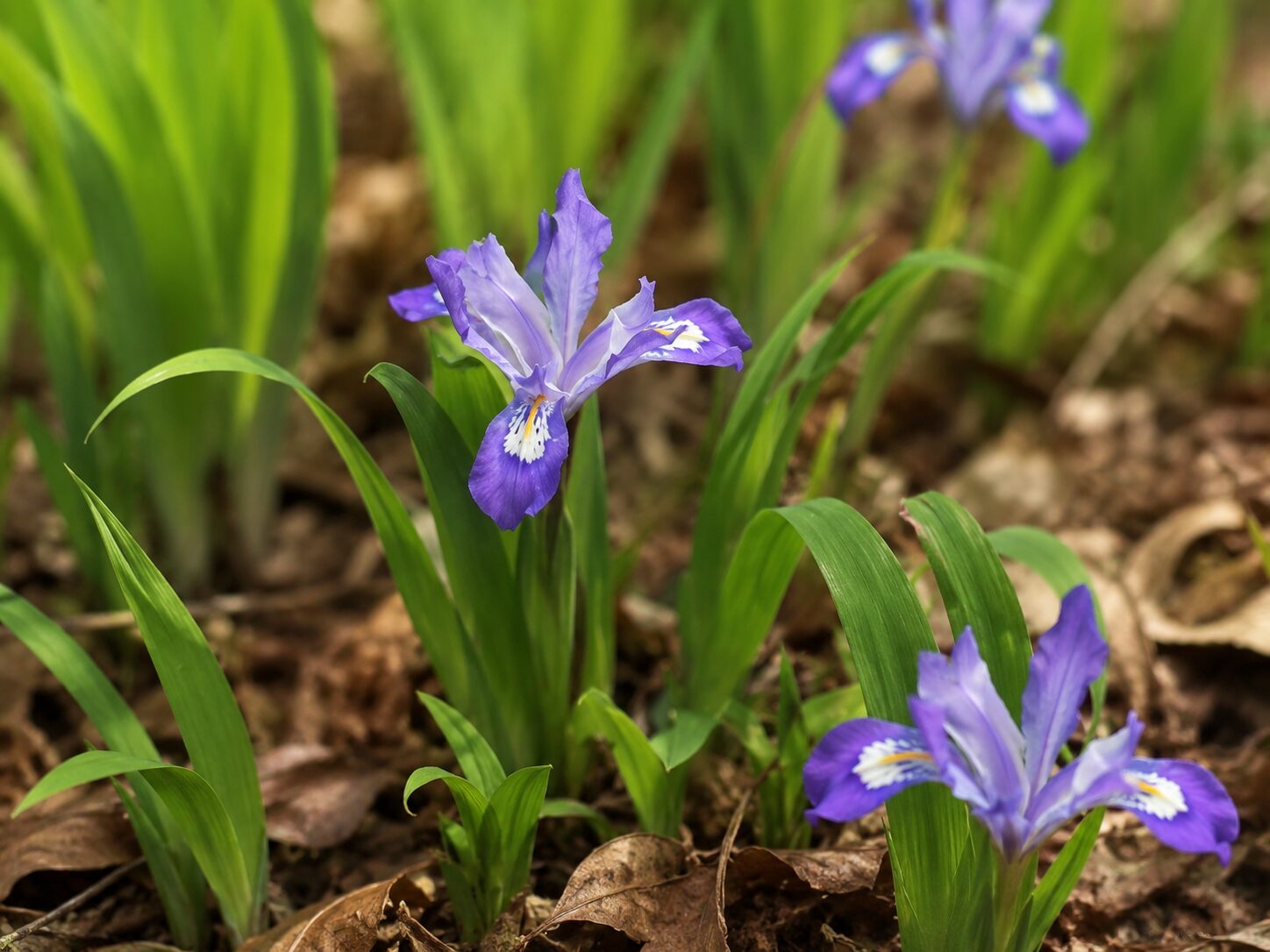
Dwarf Iris
Dwarf iris produces beautiful purple or violet flowers close to the forest floor. These small wildflowers are commonly found in wooded areas during spring.
Blooming Season: April–May Where to Look: Roaring Fork and Porters Creek Trail
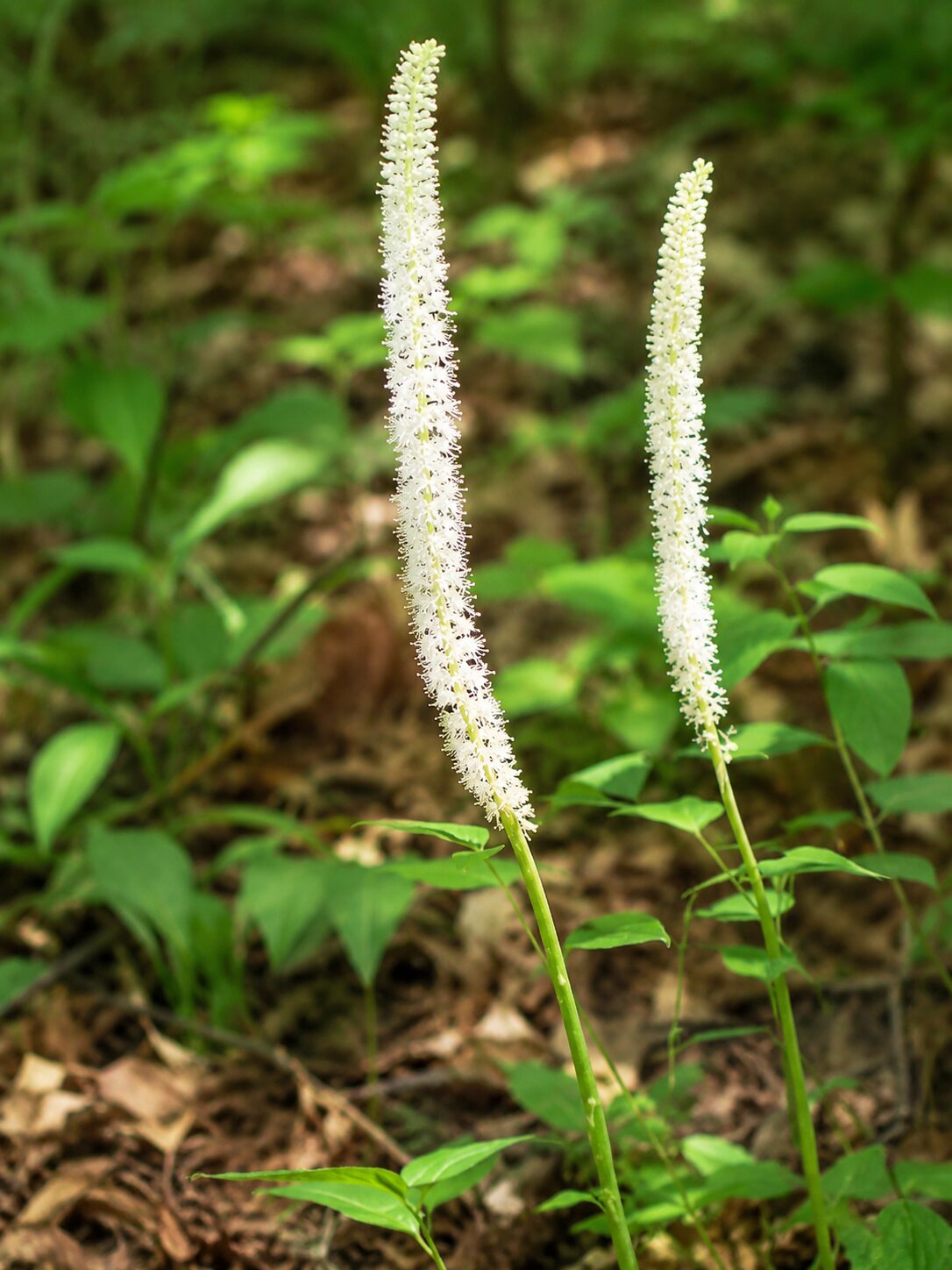
Fairy Wand
Fairy wand produces slender stems topped with clusters of tiny white flowers. It grows in wooded areas and is most noticeable during late spring.
Blooming Season: May–July Where to Look: Cades Cove and Schoolhouse Gap Trail
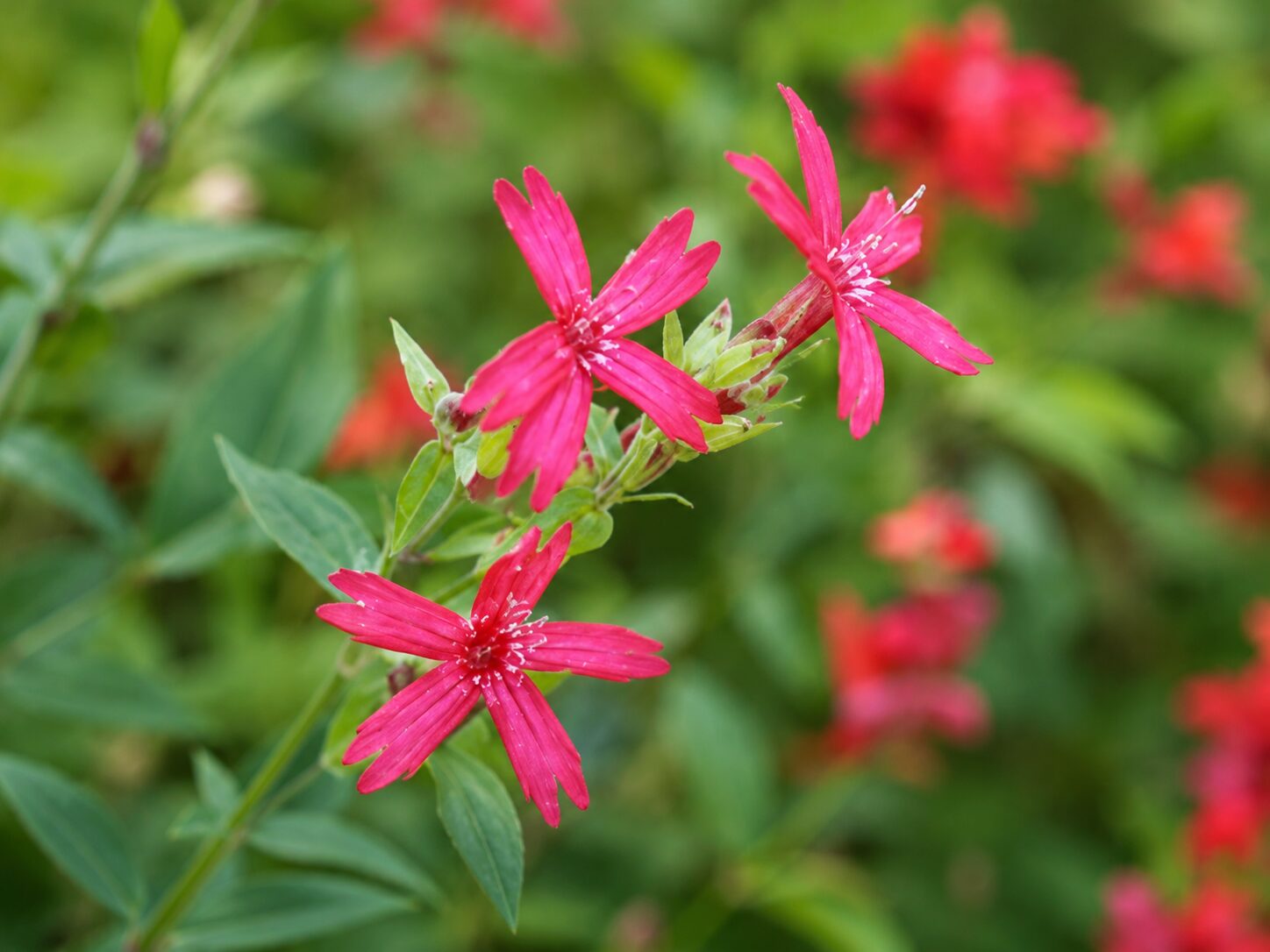
Fire Pink
Fire pink stands out with its brilliant red, star-shaped flowers. The blooms attract hummingbirds and are commonly found along rocky slopes and open woodland trails.
Blooming Season: April–June Where to Look: Chestnut Top Trail
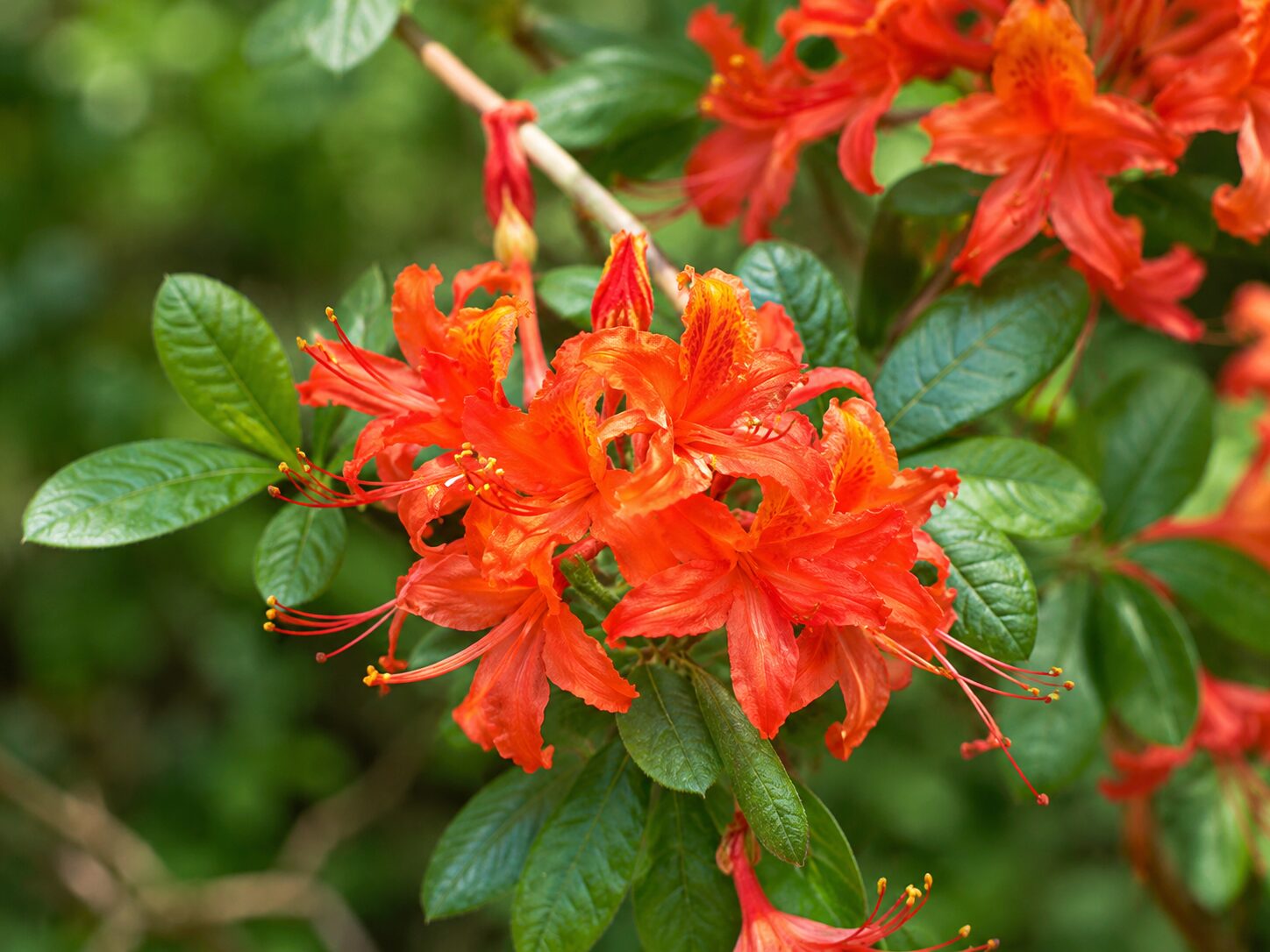
Flame Azalea
Flame azalea is a native flowering shrub known for its bright orange, yellow, and red blossoms. Bloom times depend on elevation, with flowers appearing later at higher elevations.
Blooming Season: April–July Where to Look: Mountain clearings and wooded slopes
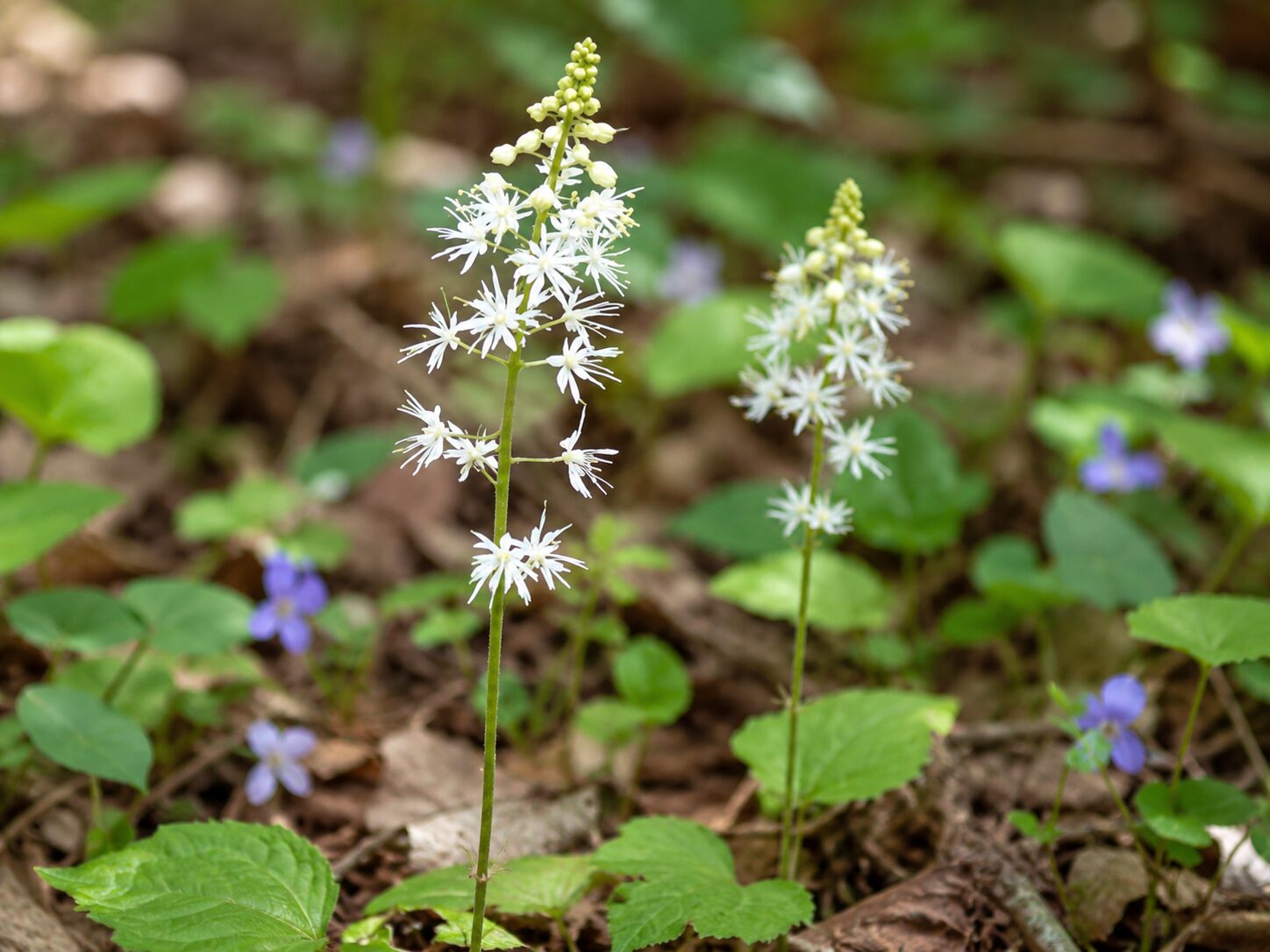
Foamflower
Foamflower produces delicate clusters of small white or pale pink flowers above low-growing leaves. It is commonly found in cool, moist forests.
Blooming Season: April–June Where to Look: Shaded woodland trails
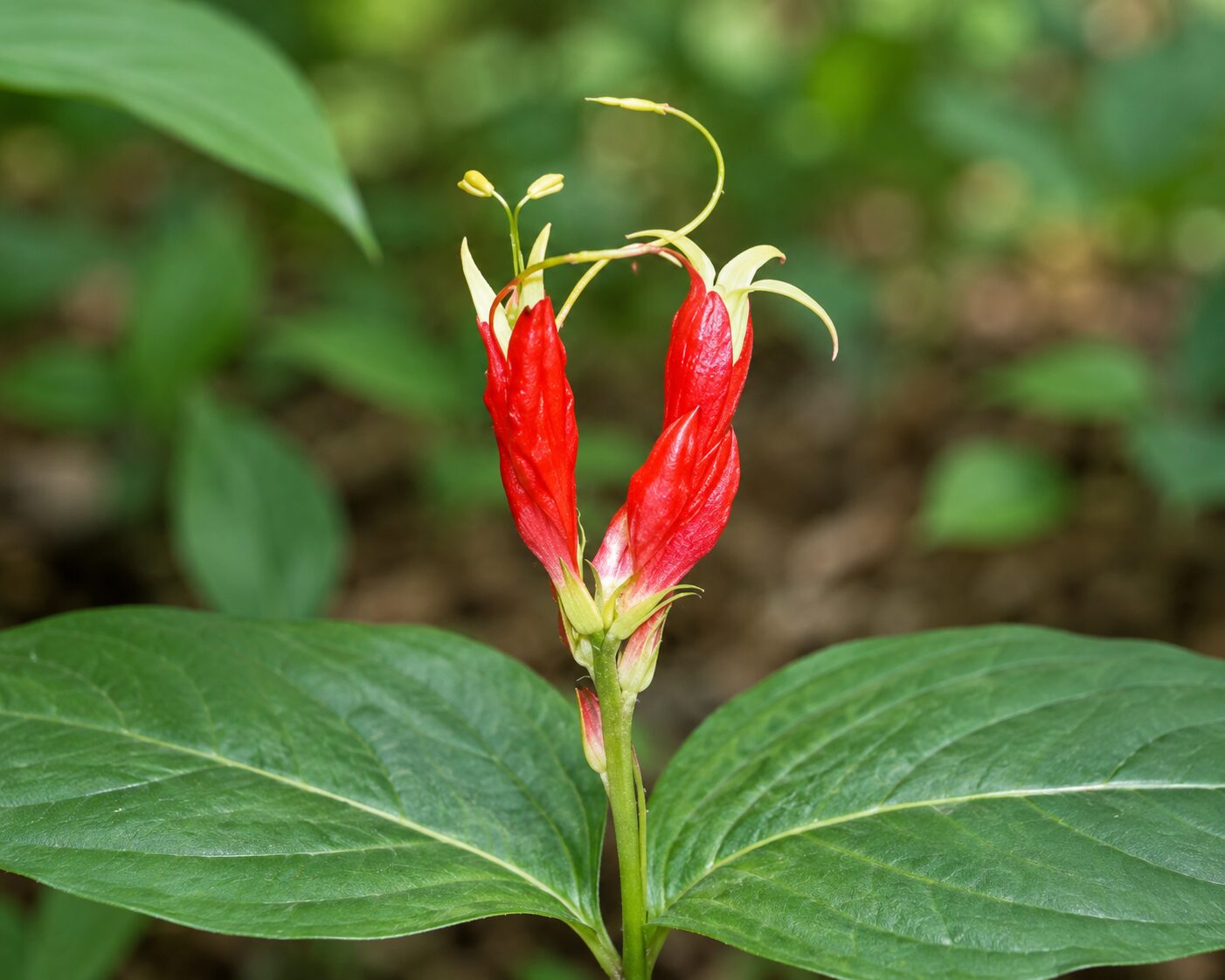
Indian Pink
Indian pink has bright red tubular flowers with yellow centers. It grows in rich soils and is less common than many other Smoky Mountain wildflowers.
Blooming Season: June Where to Look: Rich Mountain Road and Whiteoak Sink area
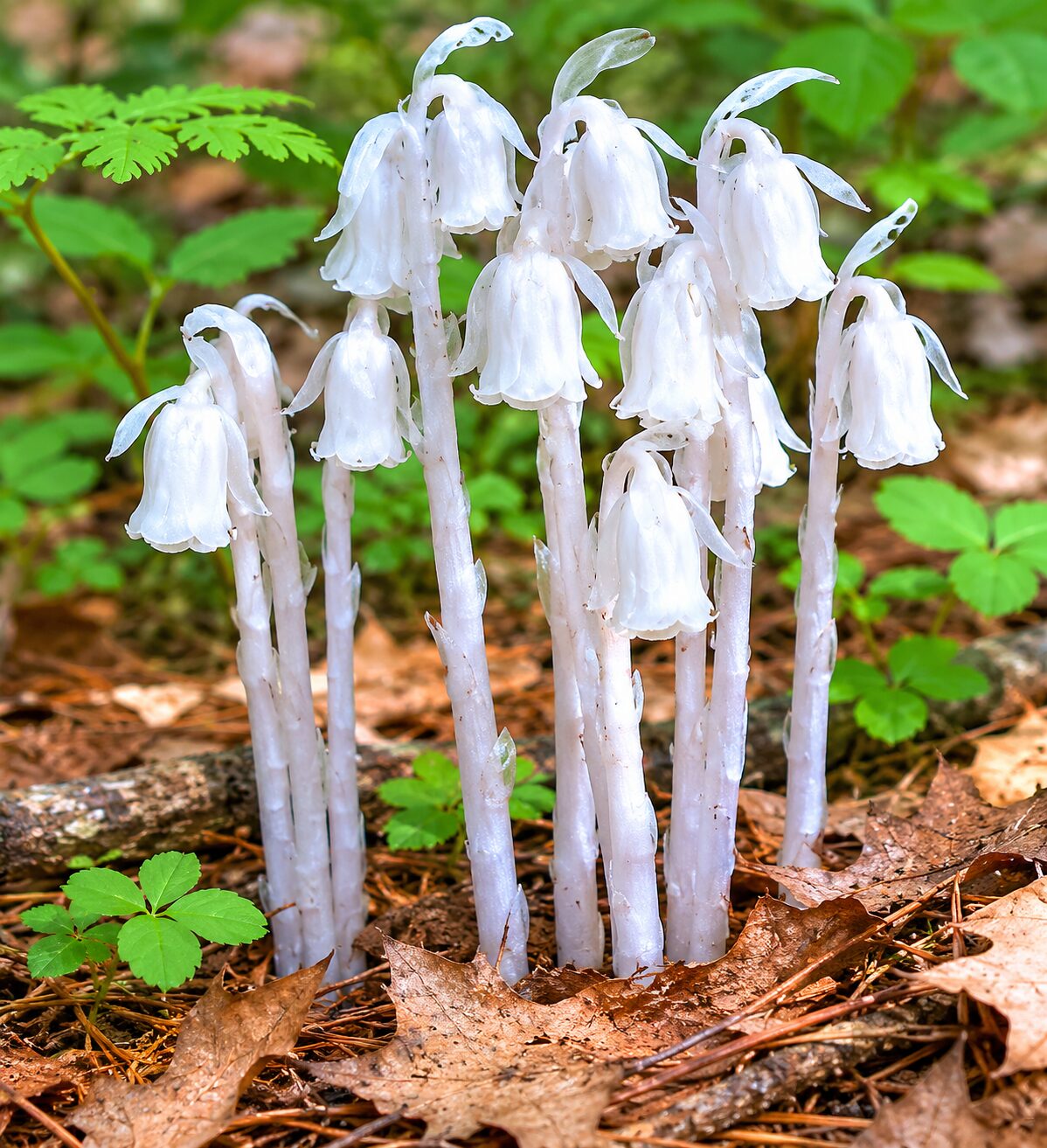
Indian Pipe
Indian pipe is unusual because it lacks the green coloring found in most plants. Its pale white or pinkish stems and downward-facing flowers grow in deeply shaded forests. Rather than producing its own food through photosynthesis, it obtains nutrients through fungi.
Blooming Season: May–September Where to Look: Mount LeConte trails, Whiteoak Sink, and Spruce Flats Falls Trail
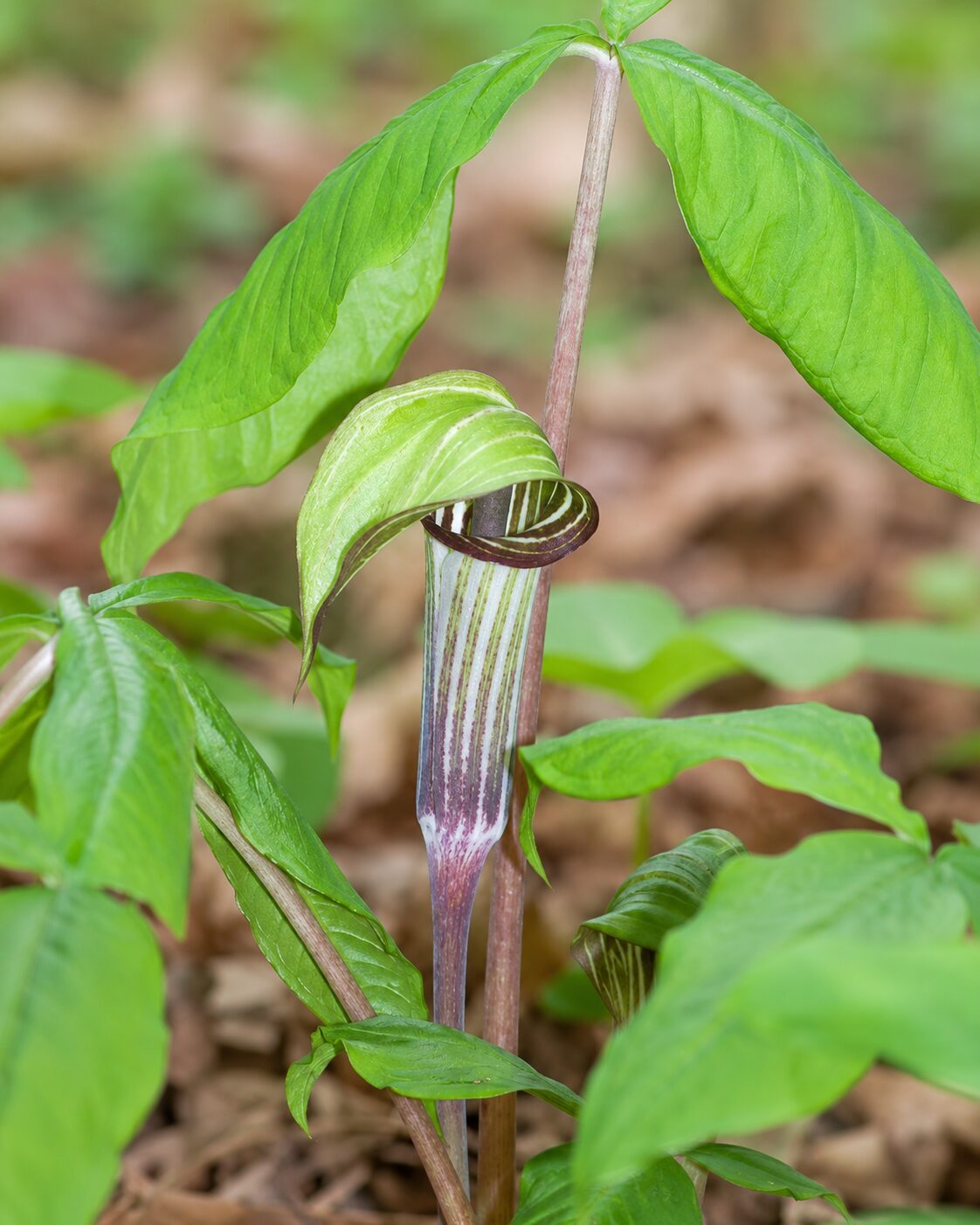
Jack-in-the-Pulpit
Jack-in-the-pulpit is recognized by its hooded green or purple structure surrounding a central spike. It grows in damp woodlands and is especially noticeable during spring.
Blooming Season: March–June Where to Look: Porters Creek Trail, Chestnut Top Trail, and Schoolhouse Gap Trail
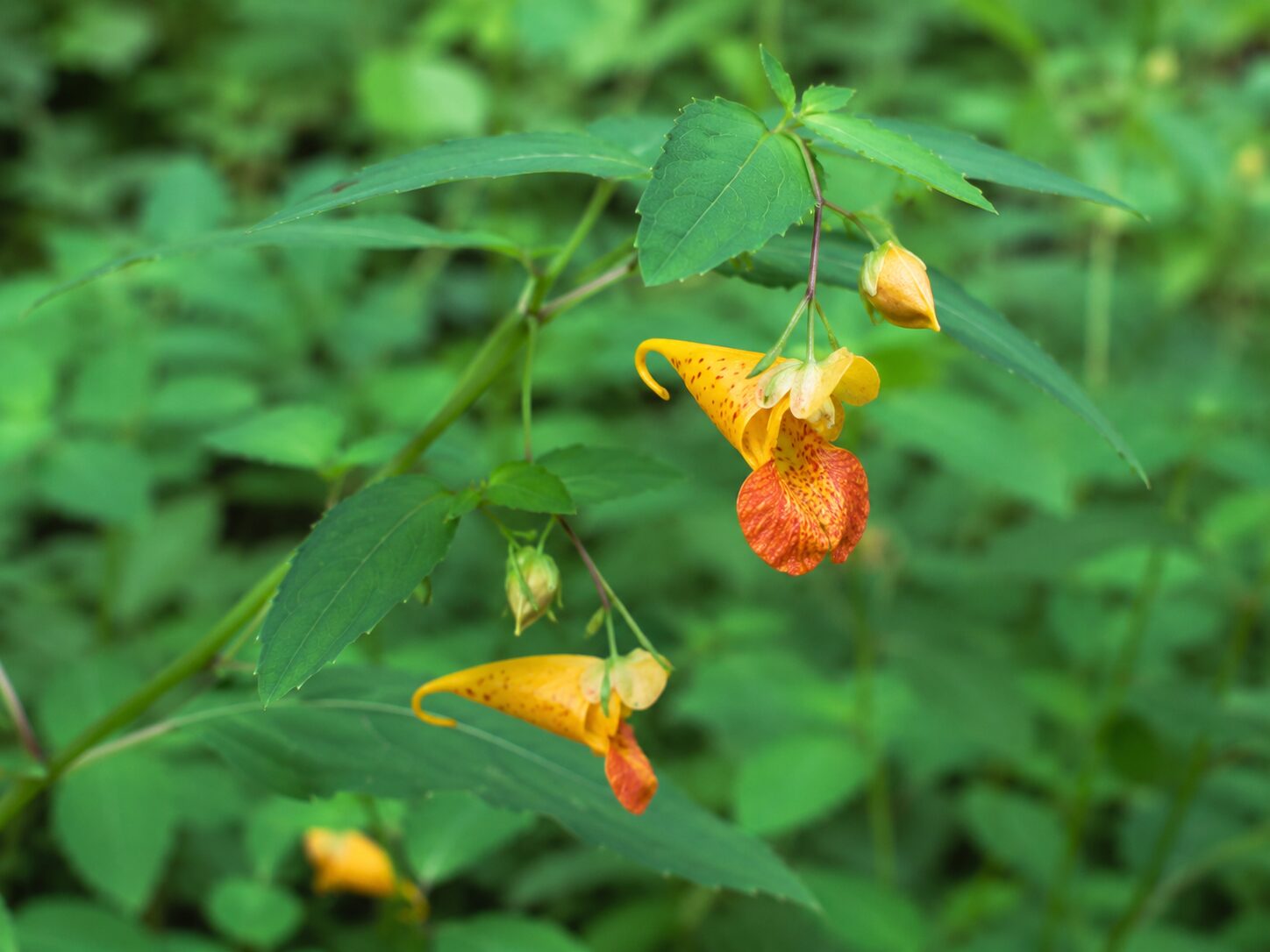
Jewelweed
Jewelweed produces orange or yellow flowers in moist areas near streams. It is also known as touch-me-not because its mature seedpods burst open when touched.
Blooming Season: June–August Where to Look: Little River Trail and Sugarlands Nature Trail
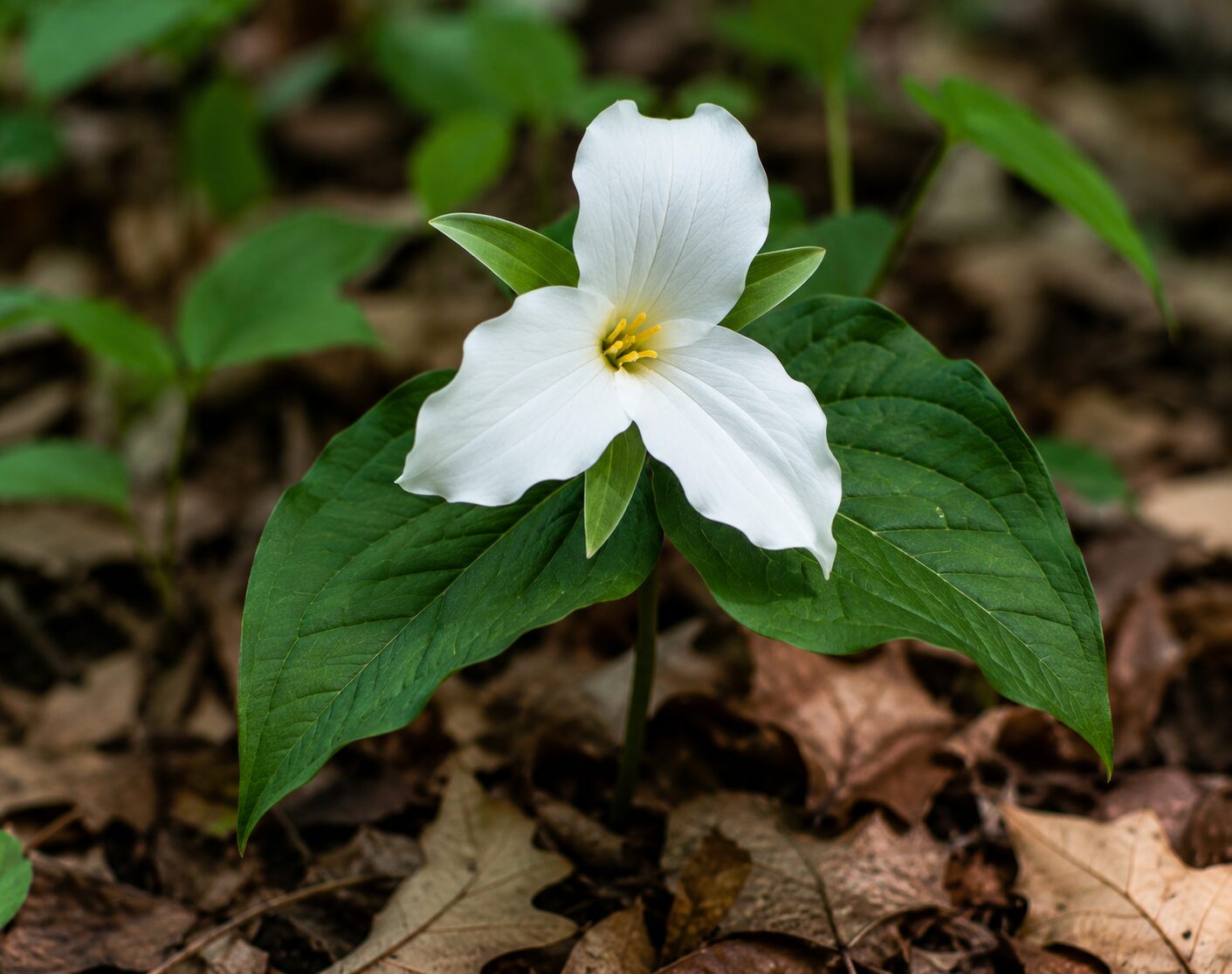
Large-Flowered Trillium
Large-flowered trillium is a spring wildflower with three broad white petals that may turn pink as the flower ages. It grows in rich, moist forests and is one of the park’s recognizable spring blooms.
Blooming Season: April–May Where to Look: Cove hardwood forests and shaded trails
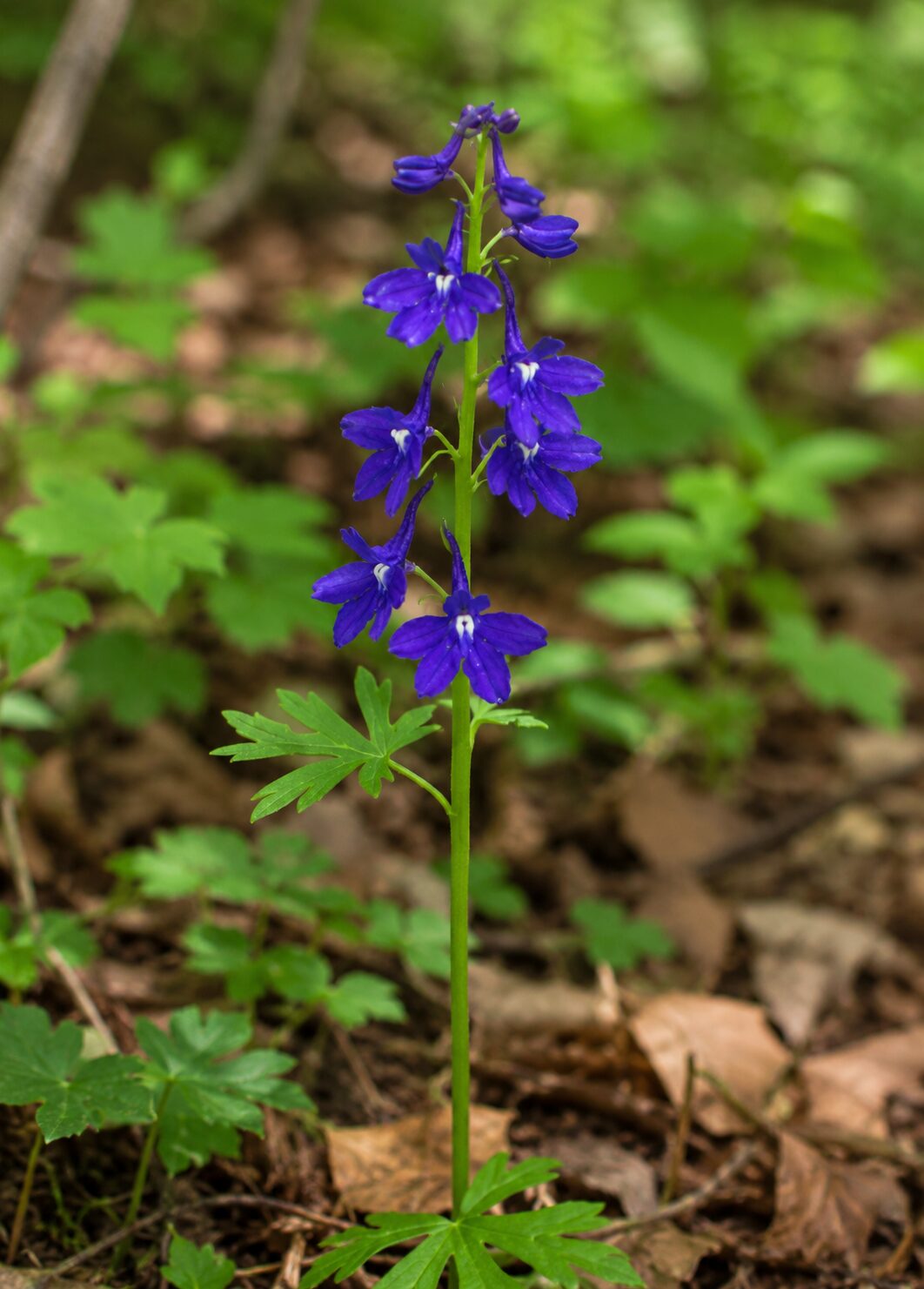
Larkspur
Larkspur produces tall stems of blue or purple flowers with distinctive backward-pointing spurs. It grows in rich woodland environments during early spring.
Blooming Season: March–May Where to Look: Rich woodland areas
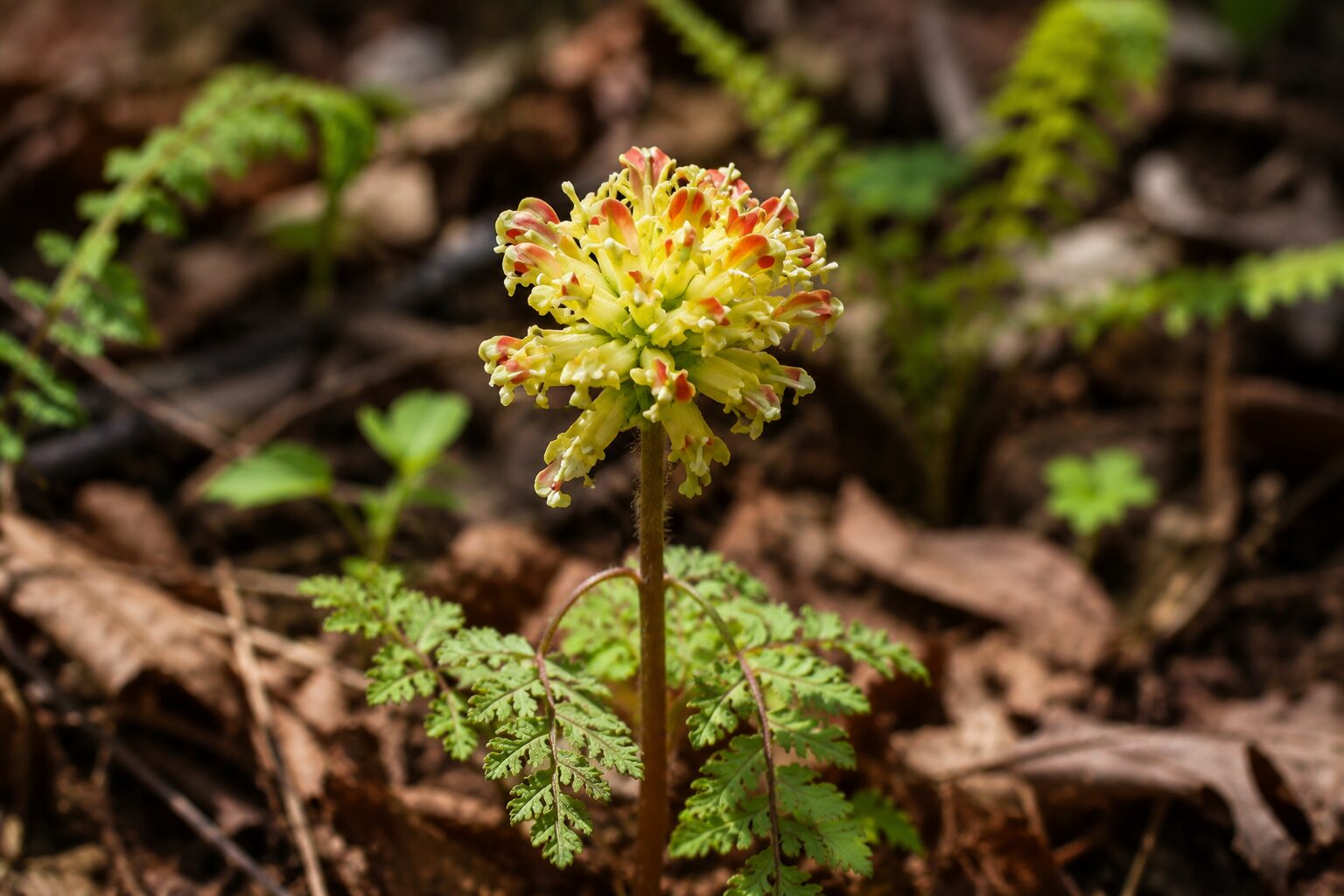
Lousewort
Lousewort produces small tubular flowers in shades of yellow and red. Its unusual flower shape makes it an interesting plant to look for along woodland trails.
Blooming Season: April–June Where to Look: Roaring Fork, Baskins Creek area, and Blue Ridge Parkway
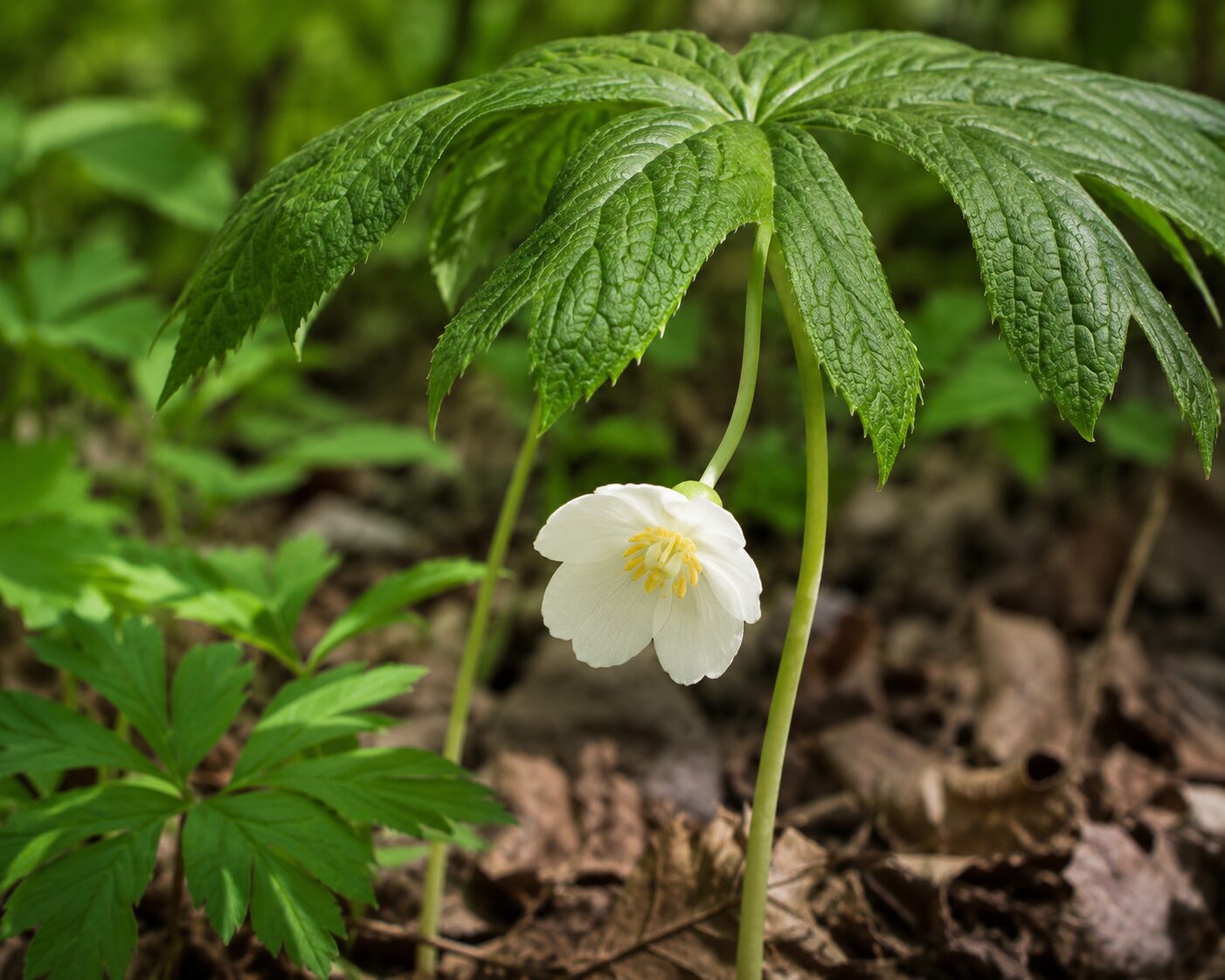
Mayapple
Mayapple is easy to recognize by its large, umbrella-shaped leaves. Plants with two leaves may produce a single white flower beneath the foliage.
Blooming Season: April–June Where to Look: Porters Creek Trail, Schoolhouse Gap Trail, and Chestnut Top Trail
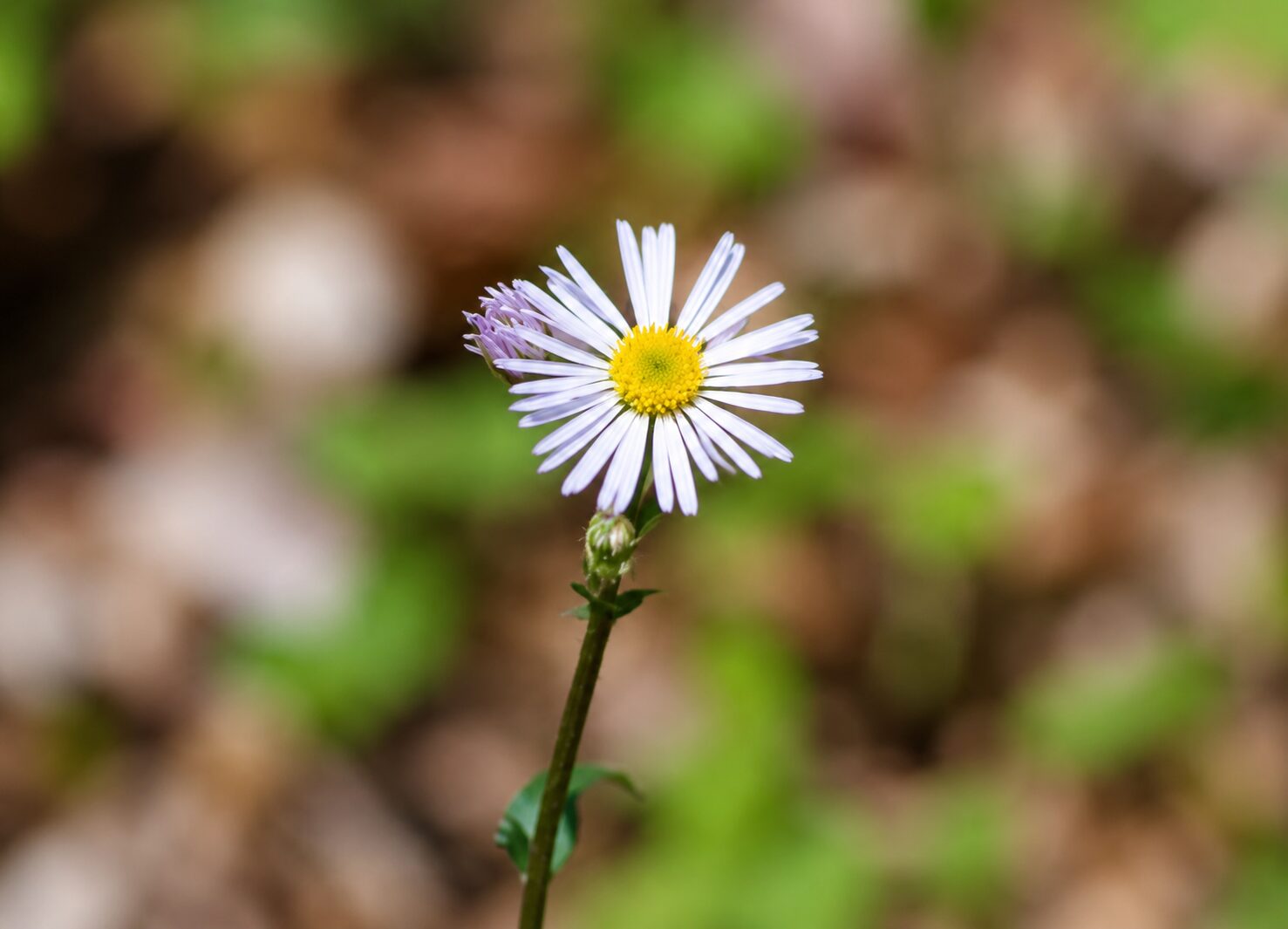
Robin’s Plantain
Robin’s plantain resembles a small daisy, with pale lavender or pink petals surrounding a yellow center. It grows in woodland areas and along trails during spring.
Blooming Season: March–June Where to Look: Porters Creek Trail
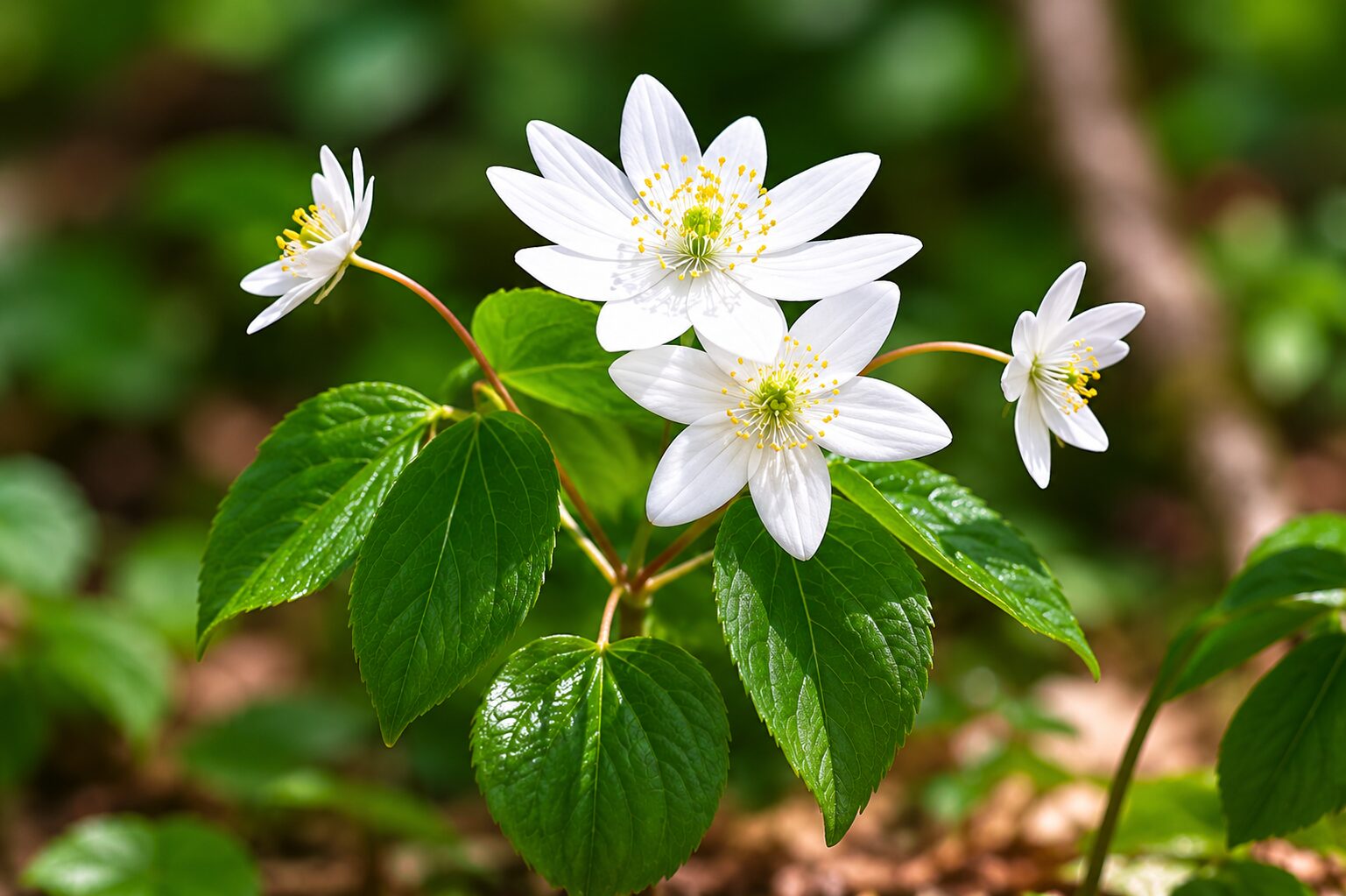
Rue Anemone
Rue anemone produces delicate white or pale pink flowers on slender stems. These small plants often grow in clusters along wooded slopes.
Blooming Season: March–May Where to Look: Porters Creek Trail and Chestnut Top Trail
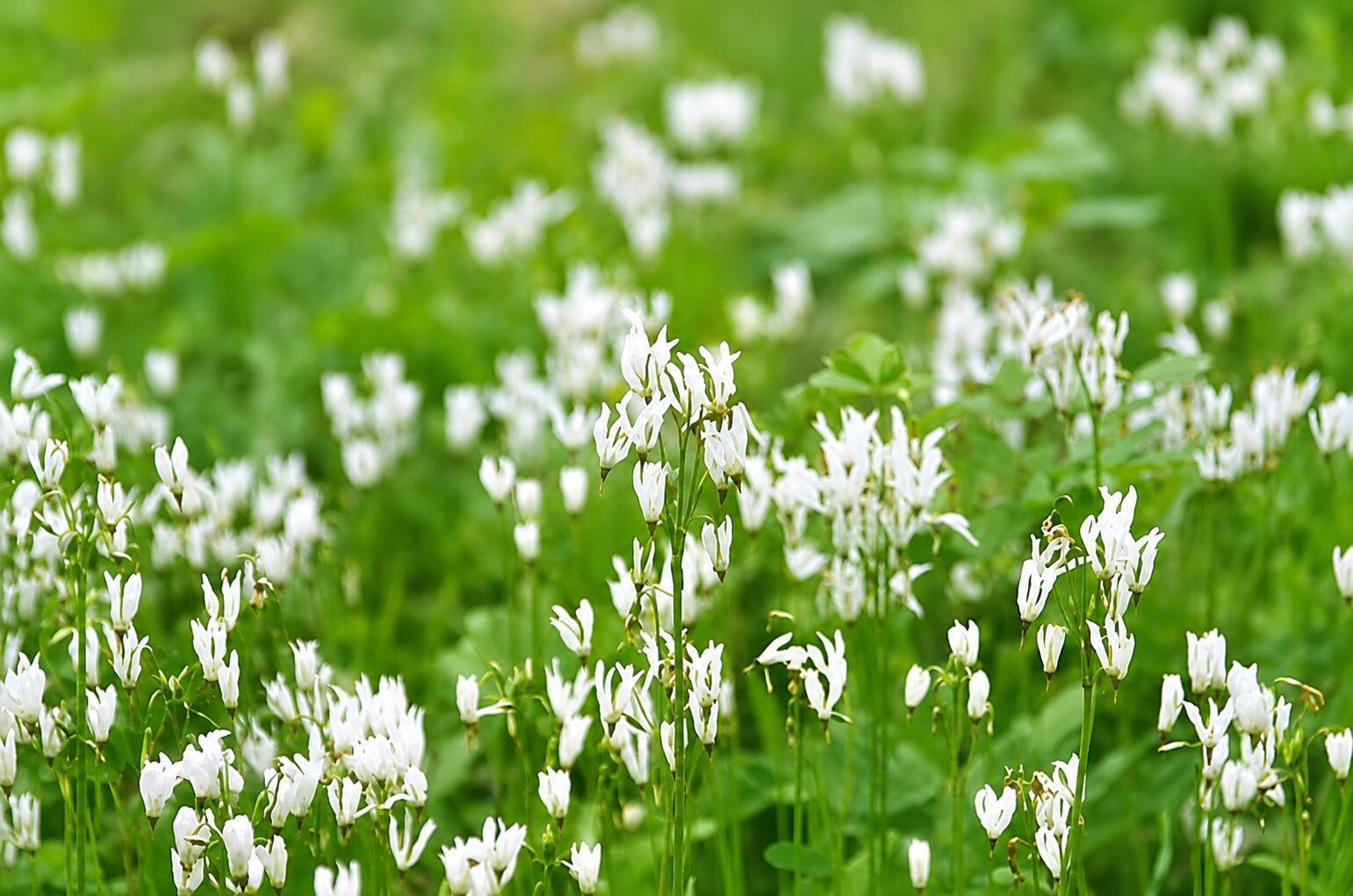
Shooting Star
Shooting star gets its name from its unusual flowers, which have petals that sweep backward from the center. The blooms may be white, pink, or lavender.
Blooming Season: April–June Where to Look: Open woodlands and meadows
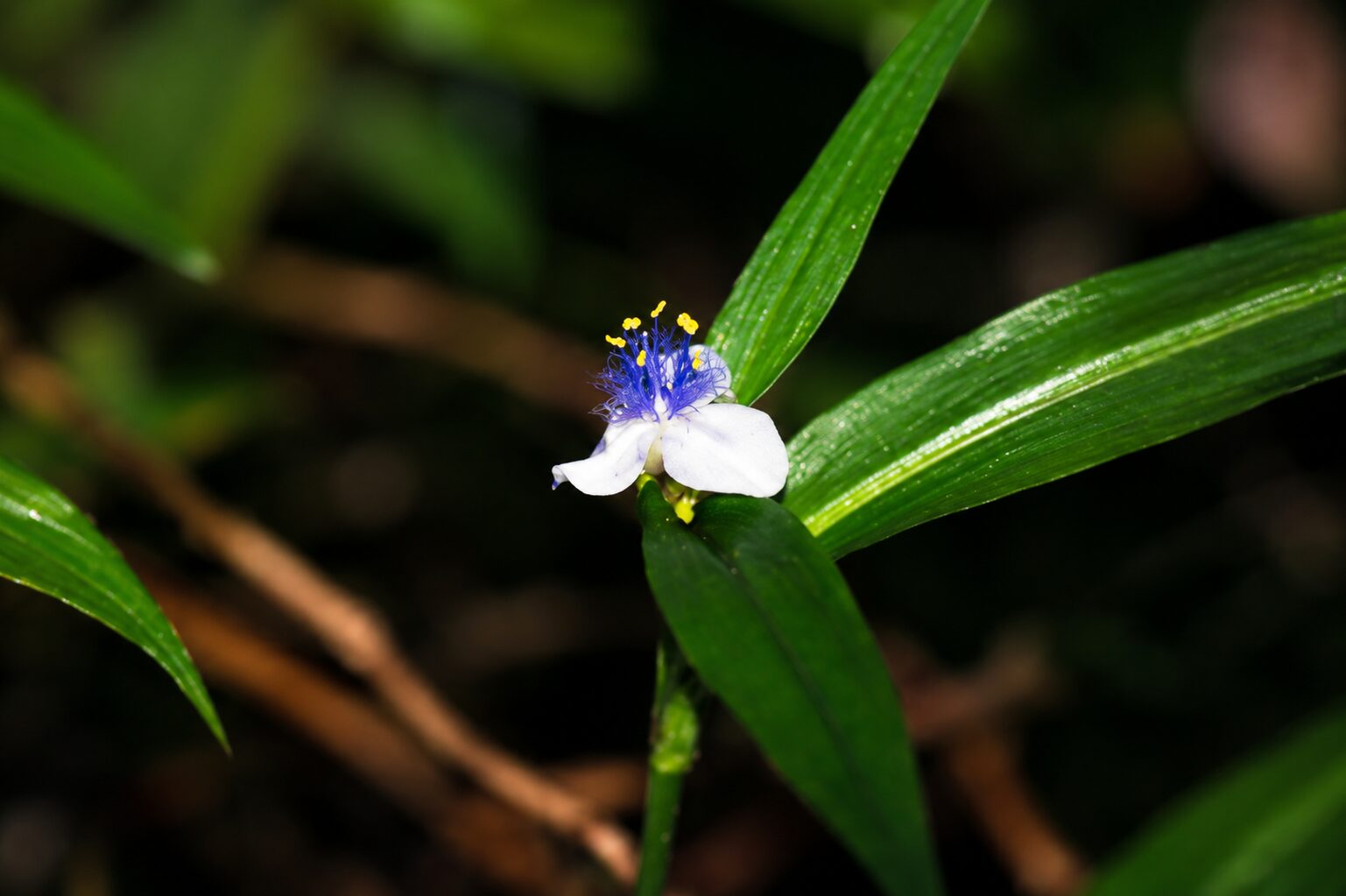
Spiderwort
Spiderwort produces clusters of blue or violet flowers with three rounded petals and bright yellow stamens. Individual flowers may last only a day, but the plant continues producing new blooms.
Blooming Season: June–July Where to Look: Whiteoak Sink and lower to middle elevations
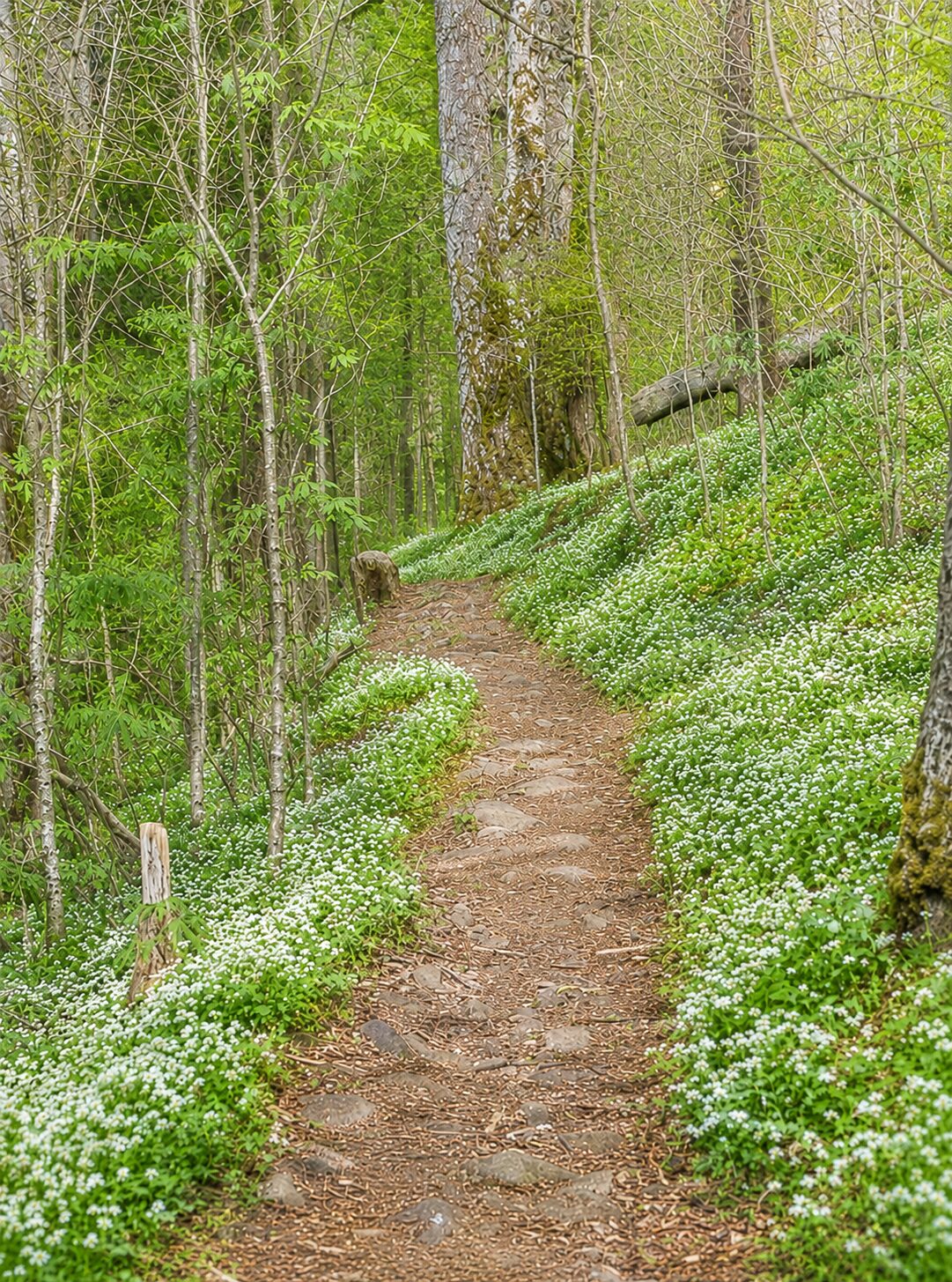
Spring Beauty
Spring beauty is one of the earliest flowers to appear in the Smoky Mountains. Its small white or pale pink petals often have darker pink veins, and large colonies can cover the forest floor.
Blooming Season: March–May Where to Look: Porters Creek Trail
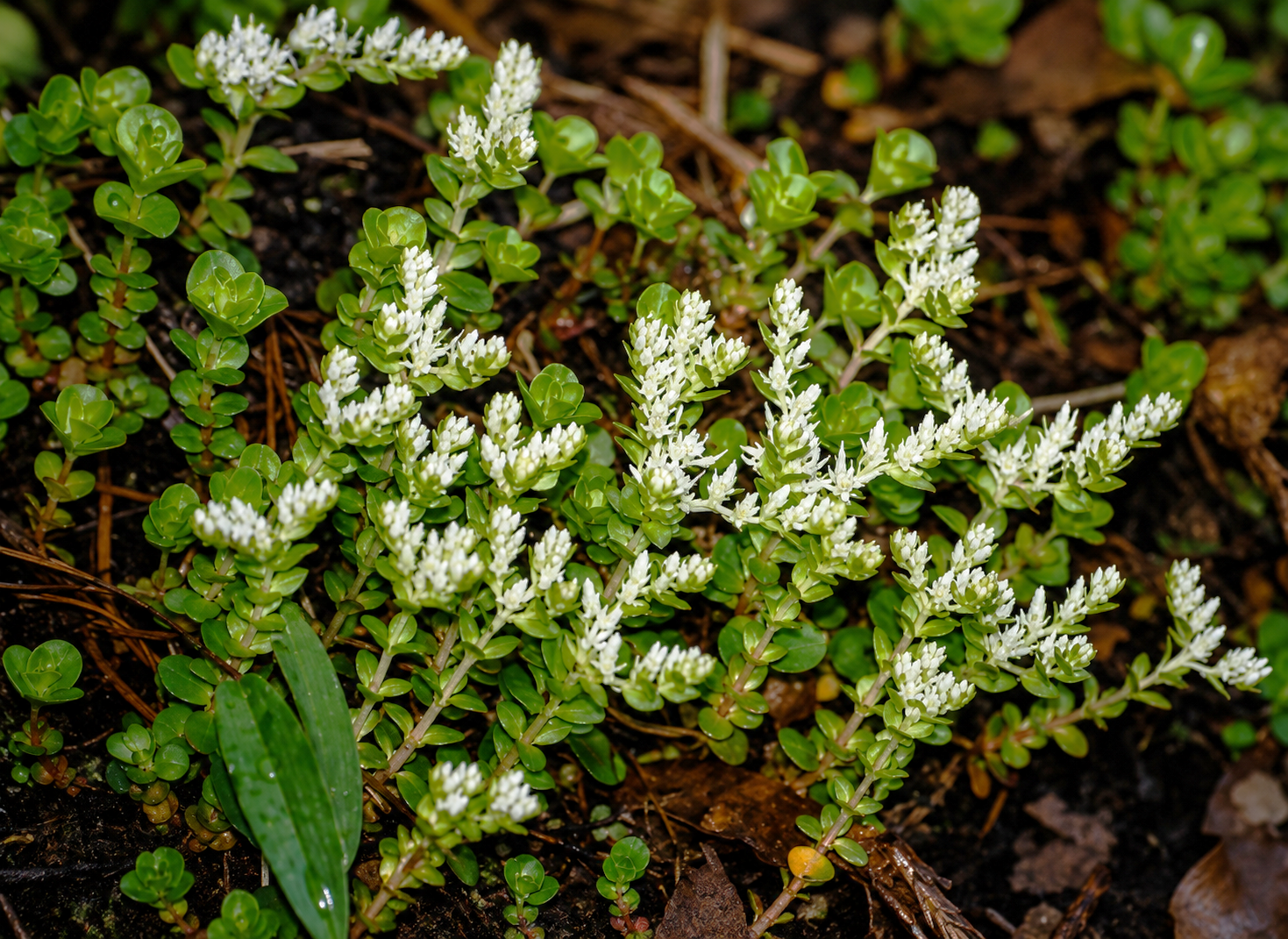
Stonecrop
Stonecrop is a low-growing plant with fleshy leaves and small white flowers. It often grows on damp rocks, boulders, and streambanks.
Blooming Season: April–June Where to Look: Chestnut Top Trail and Little River area
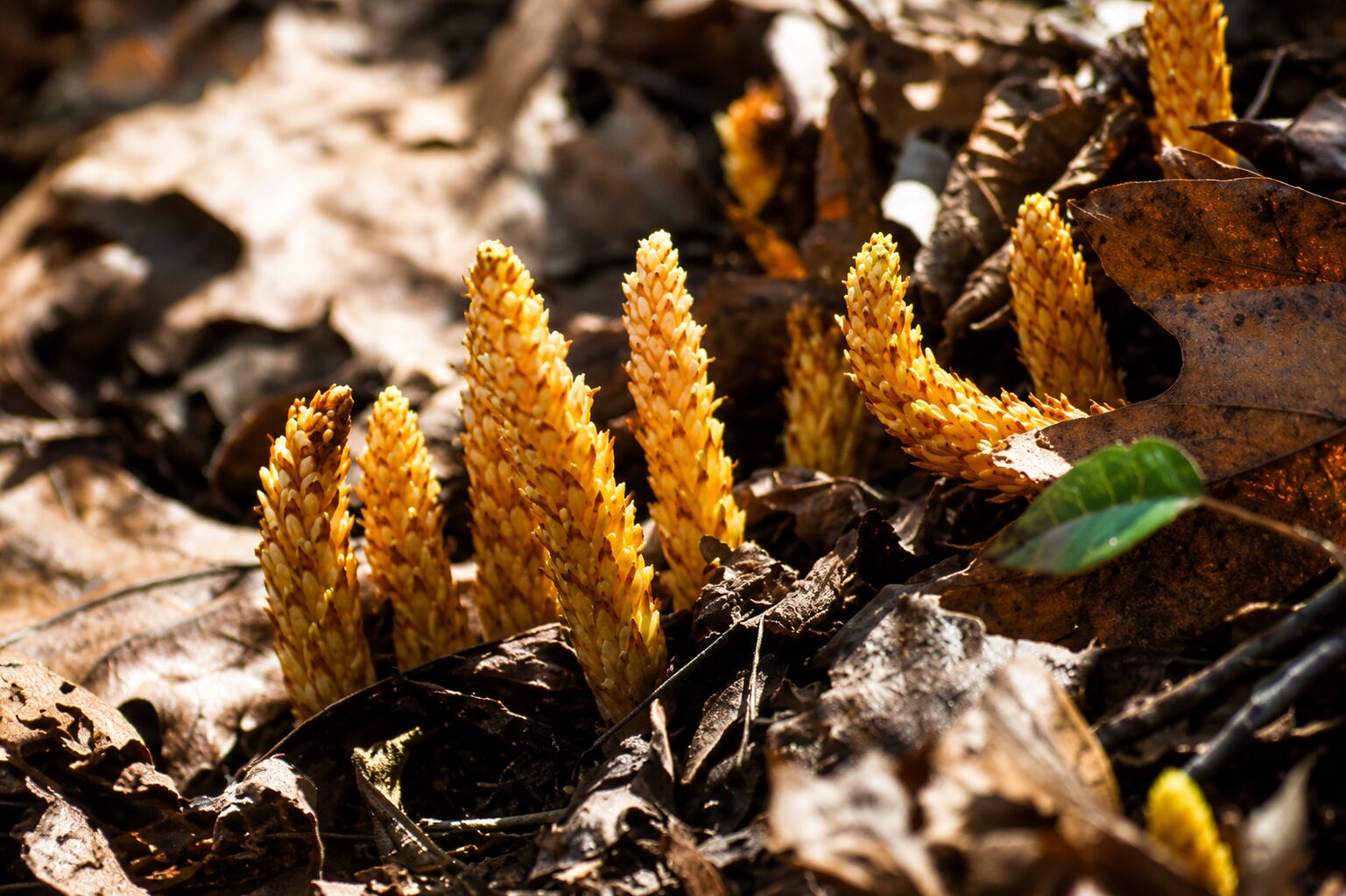
Squawroot (Bear Corn)
Often called bear corn, this unusual plant grows in clusters resembling small brown pinecones. It lacks green leaves and obtains nutrients from the roots of certain trees.
Blooming Season: April–June Where to Look: Oak forests and Chestnut Top Trail
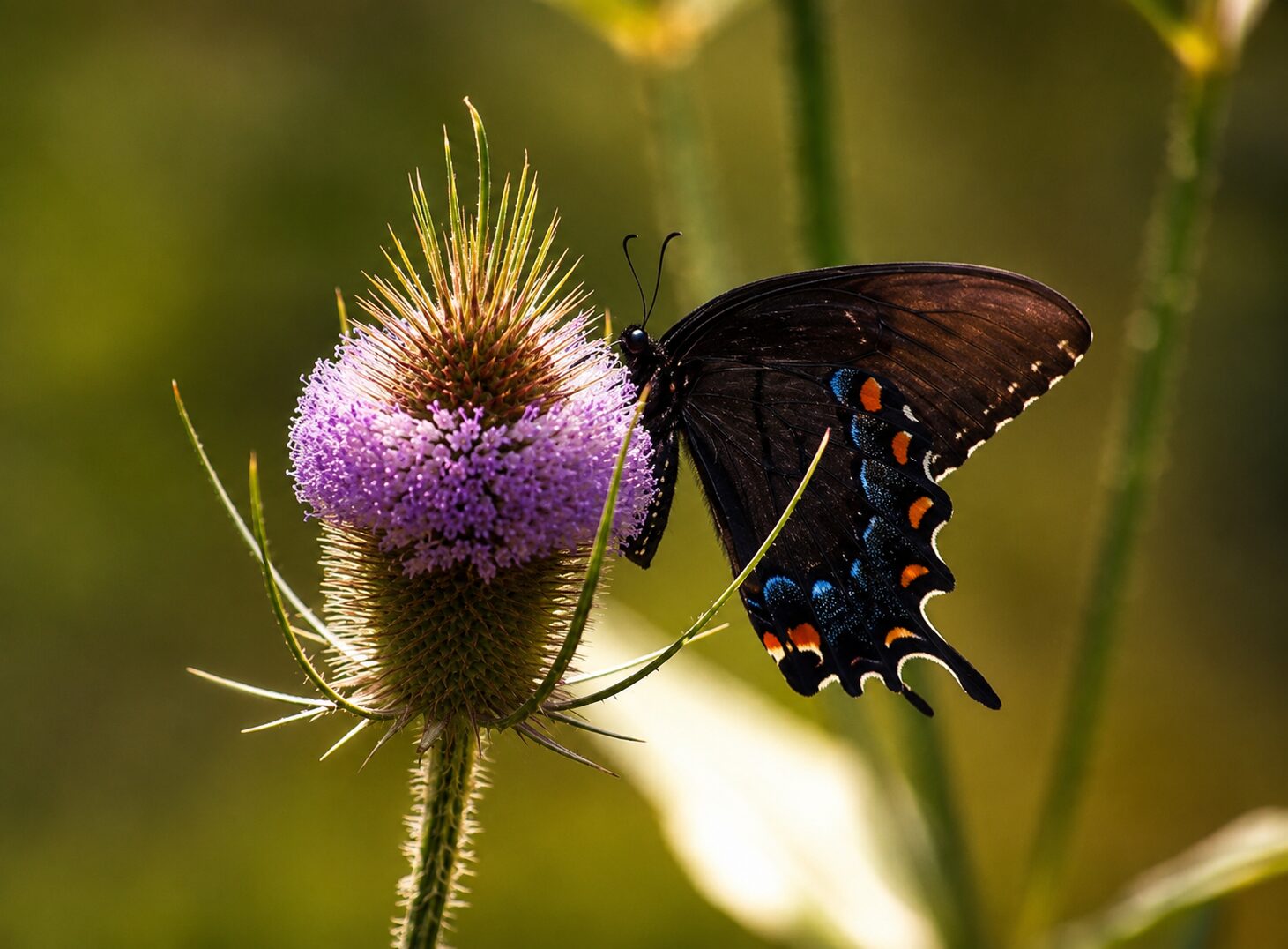
Teasel
Teasel is a tall plant with prickly stems and oval flower heads covered in small lavender flowers. It is generally found in disturbed areas and open fields rather than deep forest.
Blooming Season: July–October Where to Look: Open meadows and roadsides
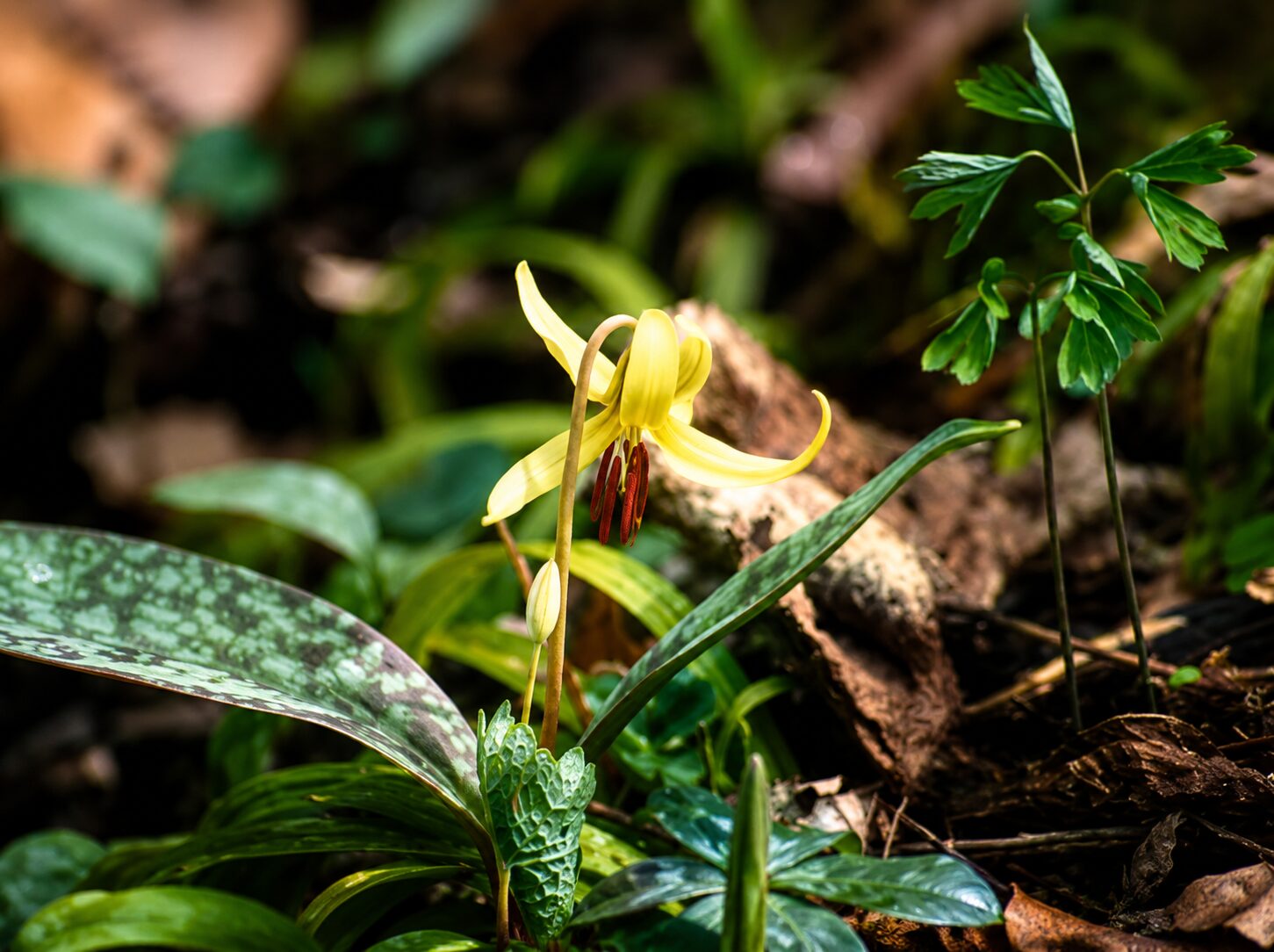
Trout Lily
Trout lily has yellow flowers with backward-curving petals and spotted leaves resembling the markings of a trout. It is one of the earliest spring wildflowers.
Blooming Season: March–May Where to Look: Porters Creek Trail, Cove Hardwood Nature Trail, and Roaring Fork
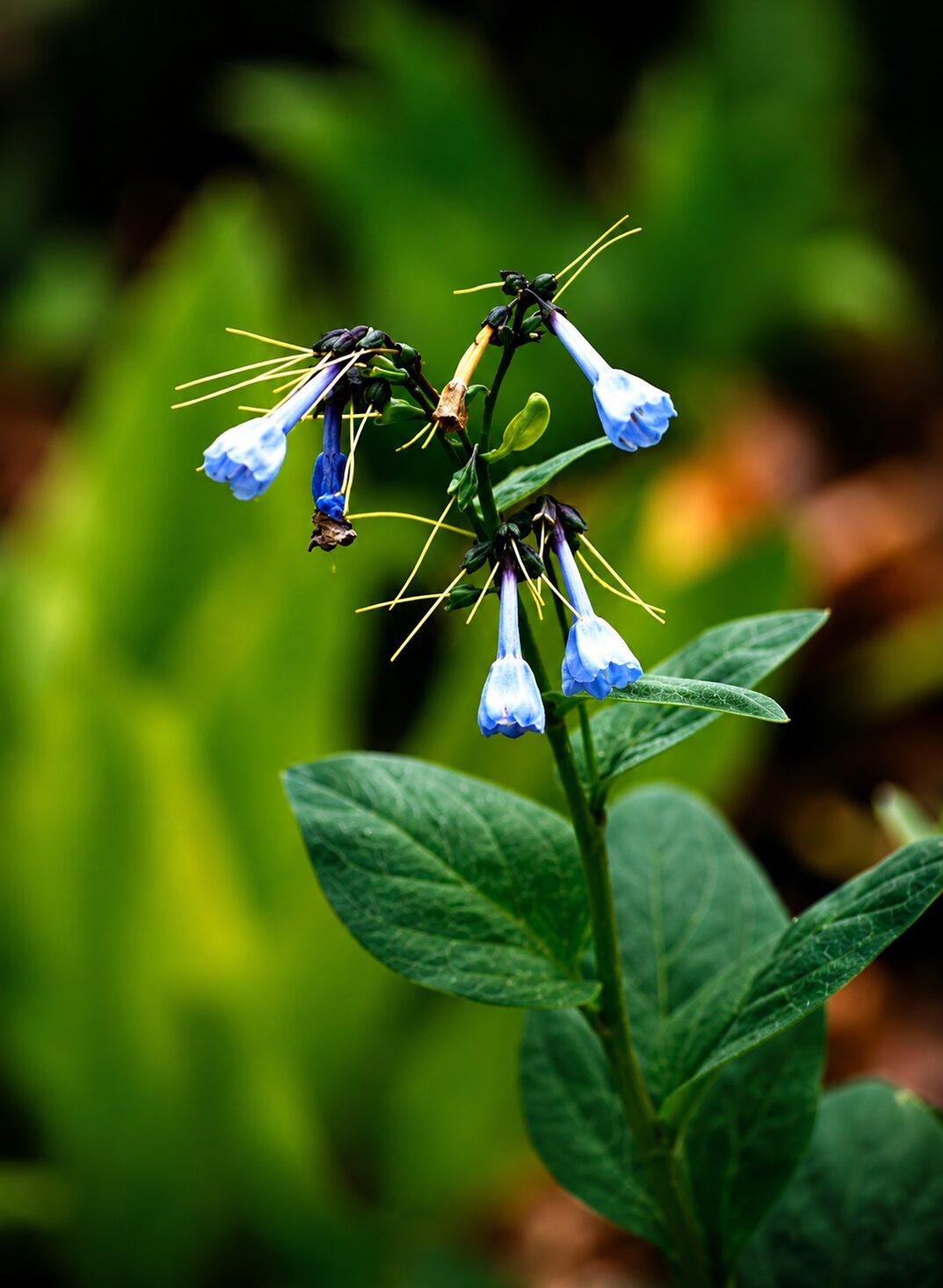
Virginia Bluebells
Virginia bluebells produce clusters of pink buds that open into soft blue, bell-shaped flowers. They grow in moist woodland areas during spring.
Blooming Season: March–June Where to Look: Moist forests and streamside areas
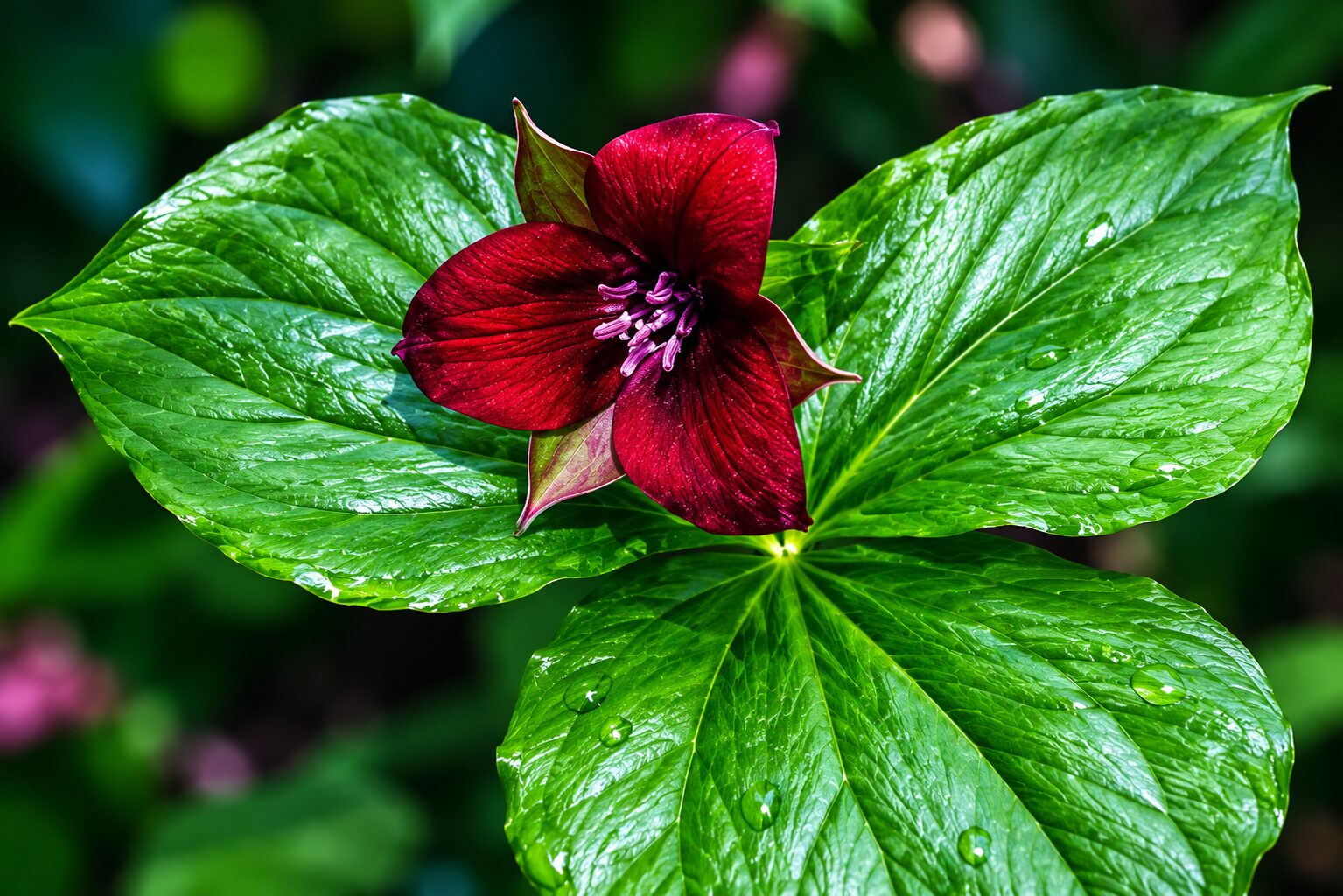
Wakerobin
Wakerobin is a type of trillium with deep red or purple flowers and three broad leaves. Some varieties have a noticeable odor that attracts pollinating insects.
Blooming Season: April–June Where to Look: Spruce Flats Falls area and Indian Gap
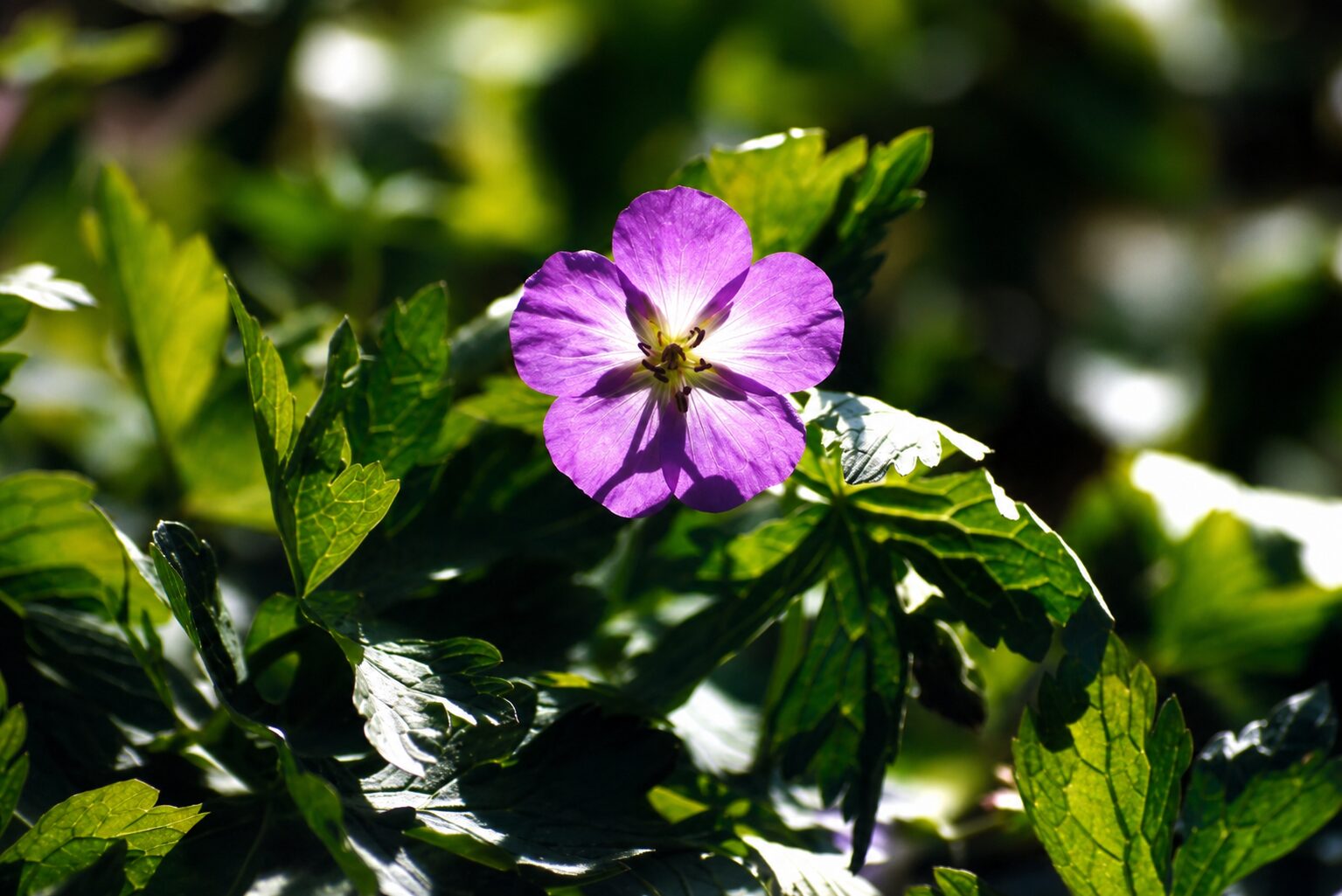
Wild Geranium
Wild geranium produces clusters of pink or lavender flowers with five rounded petals. It grows in moist forests and woodland coves.
Blooming Season: April–June Where to Look: Porters Creek Trail and Greenbrier
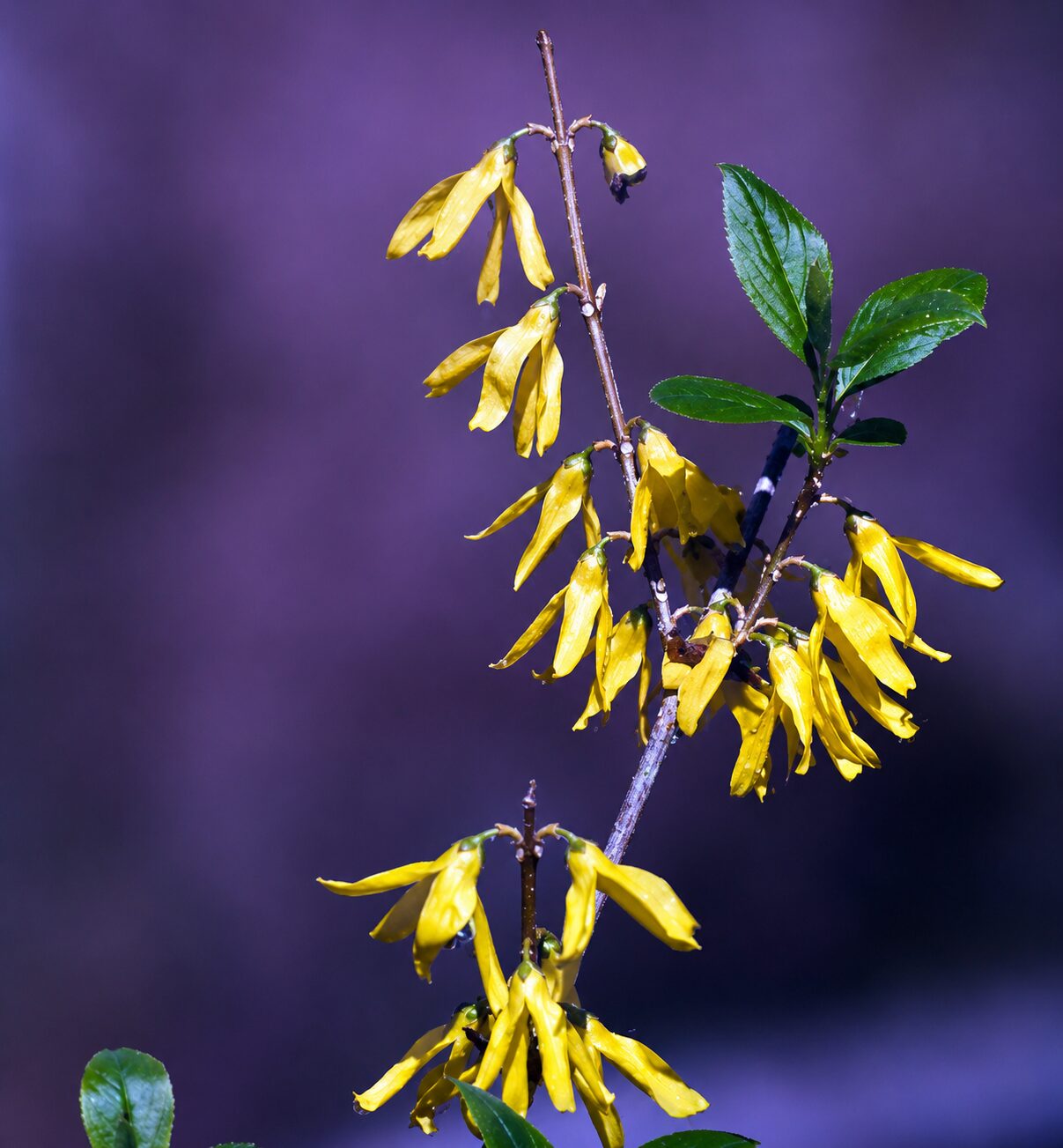
Witch Hazel
Witch hazel is a flowering shrub known for its thin, ribbon-like yellow petals. Unlike most Smoky Mountain wildflowers, it blooms in fall, often after its leaves have started dropping.
Blooming Season: Fall Where to Look: Porters Creek Trail and Bud Ogle Nature Trail
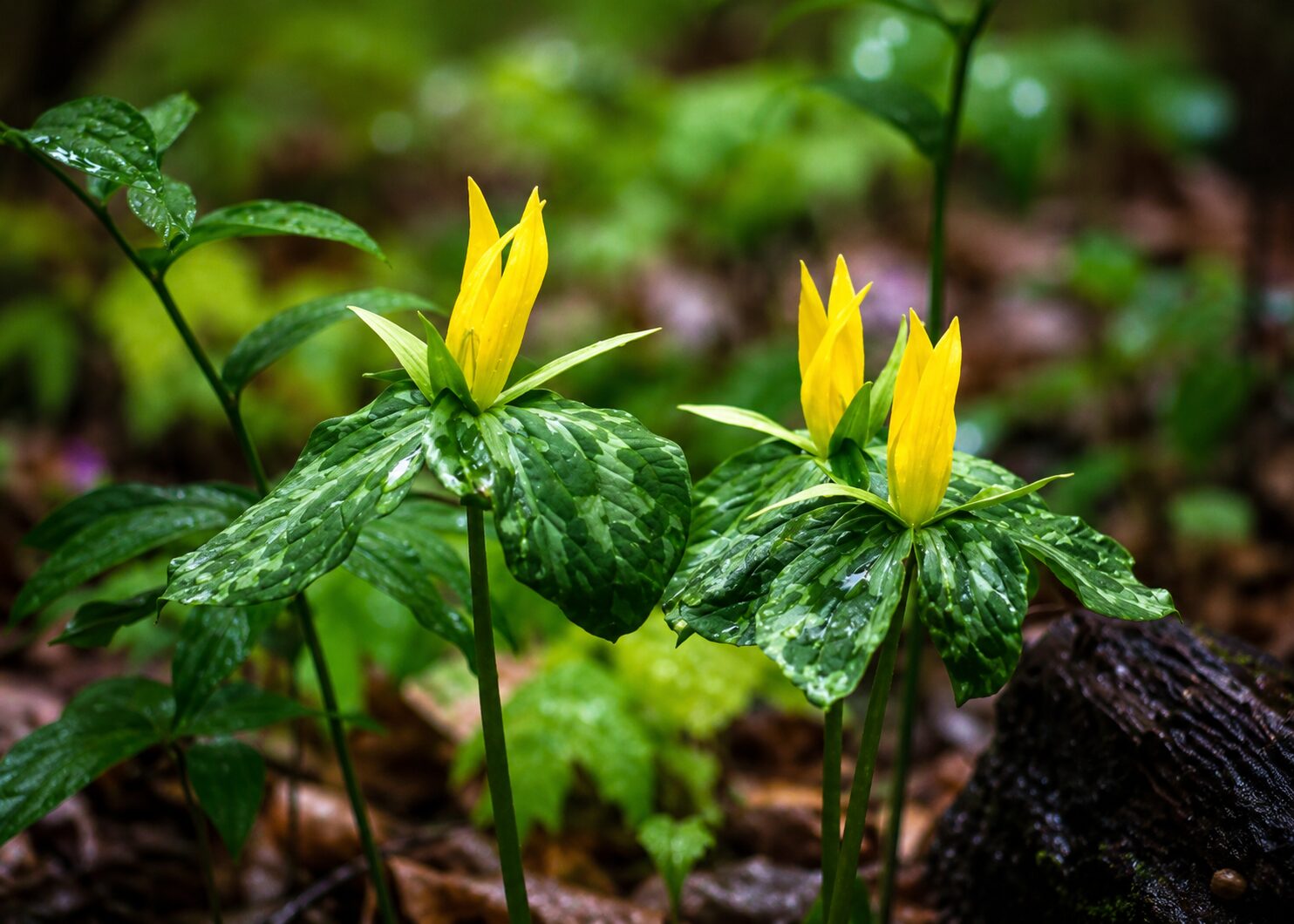
Yellow Trillium
Yellow trillium produces three yellow petals above broad, mottled leaves. It is commonly found in rich forests at lower elevations.
Blooming Season: April–May Where to Look: Lower-elevation trails and roadsides
Best Places to See Smoky Mountain Wildflowers
Several trails throughout Great Smoky Mountains National Park are known for their seasonal wildflower displays. Here are some of the best places to look.
Porters Creek Trail
Located in the Greenbrier area, Porters Creek Trail is especially popular during spring. Look for bloodroot, spring beauty, trillium, and wild geranium along the wooded trail.
Chestnut Top Trail
Near Townsend, Chestnut Top Trail is known for its variety of spring wildflowers. Fire pink, bloodroot, rue anemone, and jack-in-the-pulpit can be found along the route.
Schoolhouse Gap Trail
Schoolhouse Gap Trail passes through wooded areas and open sections where visitors may see mayapple, fairy wand, and doghobble during spring and early summer.
Cades Cove
Cades Cove offers opportunities to see wildflowers in open fields and along roadsides. Black-eyed Susans, milkweed, and butterfly weed bloom during the warmer months.
Roaring Fork
The Roaring Fork area near Gatlinburg features wooded trails and roadside wildflowers. Dwarf iris, trout lily, and doghobble are among the plants that bloom here in spring.
Whiteoak Sink
Whiteoak Sink is known for its diverse plant life, including Indian pink, spiderwort, and Indian pipe. Access may be restricted during certain periods to protect sensitive wildlife and habitats.
Wildflower blooms vary from year to year depending on weather, elevation, and seasonal temperatures.